
Shockwave Therapy: Comprehensive Guide and Benefits
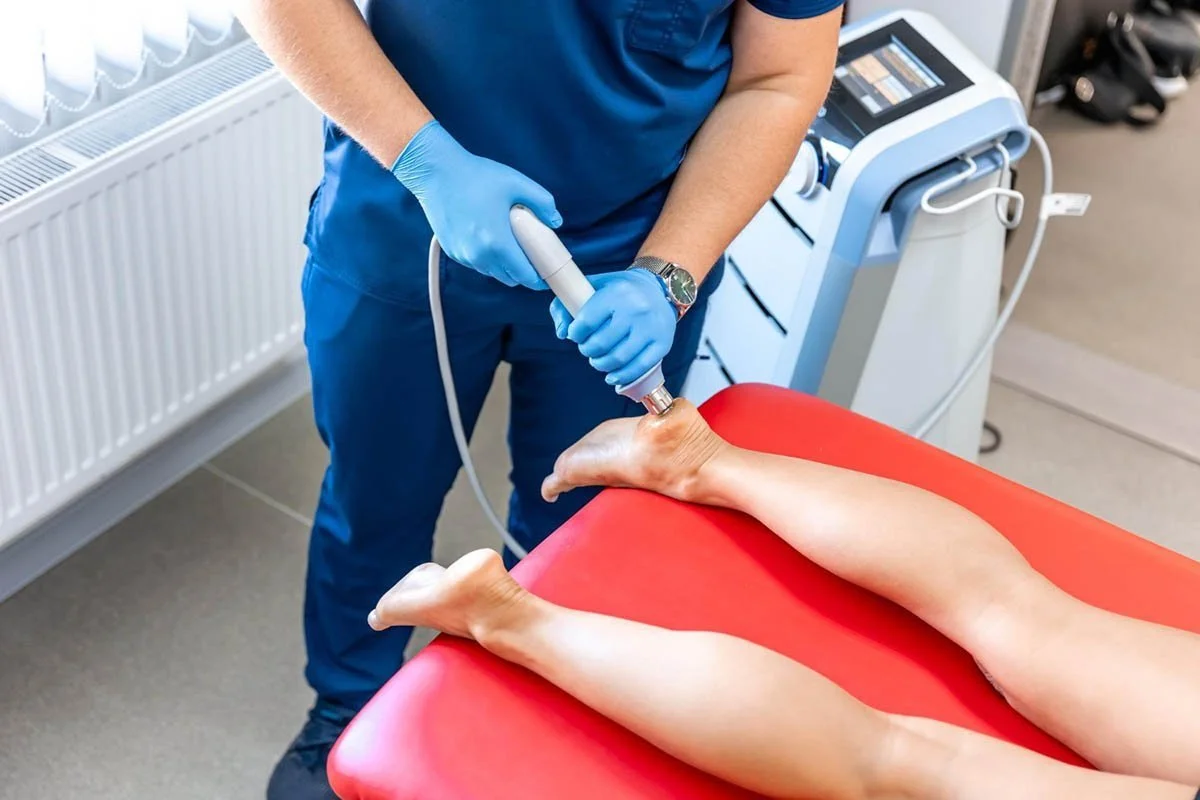
In the ever-evolving world of physical therapy and sports medicine, shockwave therapy has emerged as a game-changing treatment for chronic pain, musculoskeletal disorders, and sports-related injuries. Whether you’re an athlete with lingering injuries or seeking relief from persistent discomfort, this non-invasive, cutting-edge approach offers hope and healing.
But what is shockwave therapy, and why is it gaining so much attention in the medical field? From its fascinating history as a treatment for urinary stones to its current applications in regenerative medicine, shockwave therapy transforms how we approach pain relief and recovery. This comprehensive guide explores its mechanics, benefits, clinical applications, and what to expect during your treatment journey.
What Is Shockwave Therapy?
Shockwave therapy is a revolutionary, noninvasive treatment method that uses acoustic energy shockwaves to treat musculoskeletal conditions and injuries. Originally developed in Germany during the late 1960s for lithotripsy (breaking down kidney stones), extracorporeal shockwave therapy (ESWT) has since evolved into a therapeutic powerhouse for managing chronic pain, lingering injuries, and soft tissue damage. By harnessing high-energy acoustic waves, shockwave therapy stimulates tissue regeneration, neovascularization (the formation of new blood vessels), and accelerated healing in affected areas.
How Does Shockwave Therapy Work?
Shockwave therapy works through the targeted application of acoustic waves to damaged or painful tissues. These waves interact with the body by stimulating biological processes such as fibroblast activation, neovascularization, and osteoblast proliferation. By doing so, the therapy enhances blood flow, encourages tissue regeneration, and helps reduce pain by disrupting nerve endings through a gate-control mechanism.
Types of Shockwave Therapy
Shockwave therapy is not a one-size-fits-all solution. Depending on your condition, focused or radial shockwave therapy may be recommended for optimal results. This section explains the differences between these methods, their unique benefits, and how they are tailored to treat specific issues.
Radial Shockwave Therapy (RSWT): Radial shockwave systems produce lower-energy, dispersed acoustic waves, ideal for treating larger surface areas such as muscle hypertonia or chronic spasticity symptoms. Physical therapists and injury-prevention specialists commonly use these waves.
Focused Shockwave Therapy (FSWT): Focused shockwave therapy delivers concentrated high-energy acoustic waves to deeper tissues. These systems are perfect for addressing calcified deposits, proximal plantar fasciopathy, and conditions at the tendon-bone junction. Sports medicine physicians and orthopedic specialists widely adopt this method.
Conditions Treated with Shockwave Therapy
Shockwave therapy is a versatile treatment option that effectively addresses various conditions. This therapy offers targeted solutions for pain relief and healing, from chronic tendinopathies to calcific tendonitis and plantar fasciitis. This section explores the specific conditions that benefit from this cutting-edge treatment.
Musculoskeletal Disorders
From frozen shoulder to lateral epicondylitis, shockwave therapy offers relief for a variety of musculoskeletal disorders. By activating fibroblasts and osteoblasts, this therapy promotes fracture healing, muscle recovery, and the management of chronic symptoms.
Tendinopathies
Shockwave therapy is a proven solution for tendinopathy, including Achilles tendinopathy and patellar tendinopathy. It helps repair microtears and enhances the healing process at the tendon-bone junction. By promoting tissue regeneration and reducing inflammation, this therapy improves mobility and reduces chronic pain, enabling patients to return to their normal activities faster.
Plantar Fasciitis
Plantar fasciitis, or proximal plantar fasciopathy, is a common condition treated with extracorporeal shockwave therapy. The therapy reduces inflammation and restores functionality to the plantar fascia. Additionally, it alleviates the chronic heel pain associated with this condition by stimulating blood flow and soft tissue repair.
Calcific Shoulder Tendinitis
Calcific tendonitis treatment involves breaking down calcium deposits in the shoulder using focused shockwave systems. This non-invasive treatment offers an alternative to surgery for chronic calcification issues. It also restores shoulder mobility and significantly reduces discomfort, allowing patients to regain their range of motion without extended downtime.
Other Applications
Shockwave therapy's clinical applications extend to spasticity related to stroke, sports-related injuries, neurologic spasticity, and even orthobiologic therapy like platelet-rich plasma (PRP) injections. It’s a favorite among athletic trainers for injury prevention and recovery. Another condition treated with shockwave therapy is Lateral Epicondylitis, also known as tennis elbow, it is a common condition characterized by pain and inflammation around the elbow joint. Research highlights the effectiveness of shockwave therapy in treating this condition, with success rates ranging from 68% to 91%. This therapy stimulates healing, reduces pain, and restores functional movement by delivering focused acoustic waves to the tendon-bone junction.
Benefits of Shockwave Therapy
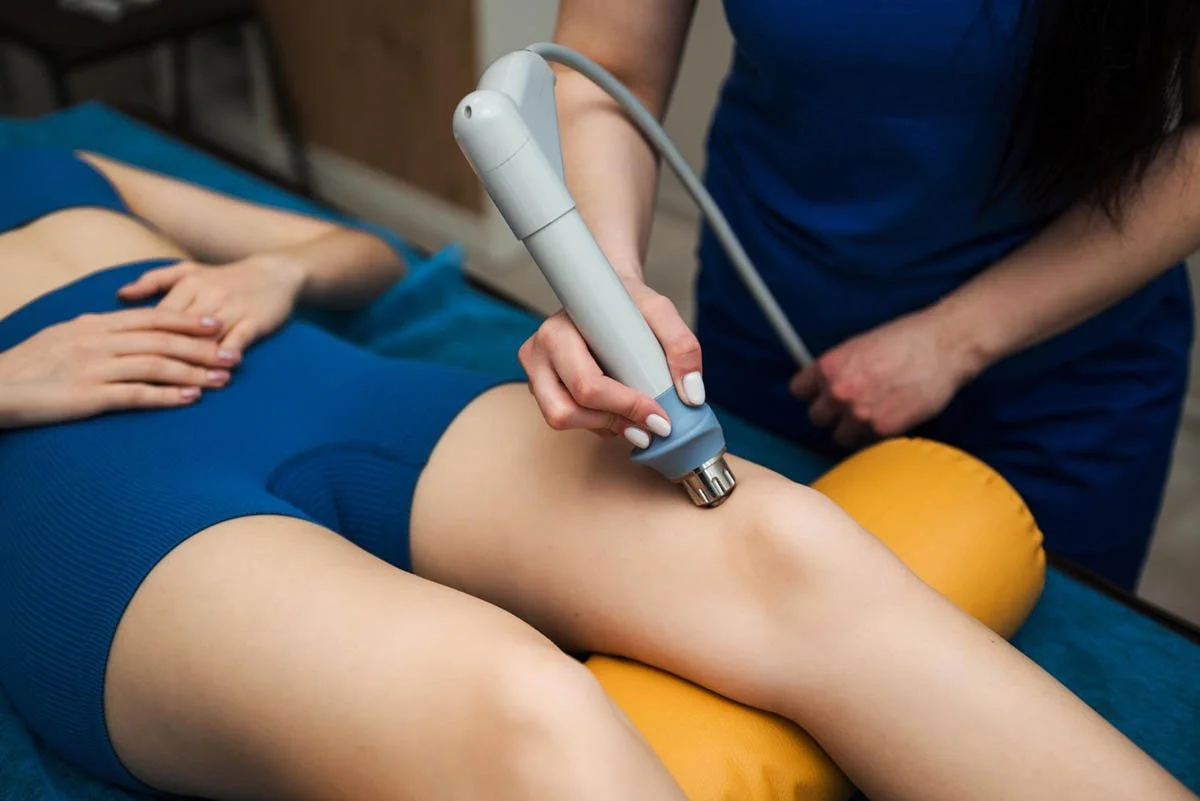
Shockwave therapy treatment offers multiple benefits, making it a popular choice in regenerative medicine and physical therapy. It provides a non-invasive solution for musculoskeletal conditions, reducing recovery time and enhancing mobility. Additionally, the treatment stimulates the body’s natural healing processes, promoting long-term relief from chronic pain.
Non-Invasive Treatment
As a non-surgical treatment, shockwave therapy eliminates the need for invasive procedures, reducing the risk of complications and adverse events. It is an excellent option for those seeking alternatives to traditional surgeries. Additionally, its outpatient nature means minimal downtime, allowing patients to resume daily activities almost immediately after treatment.
Accelerated Healing Process
Shockwave therapy accelerates tissue regeneration and recovery by stimulating neovascularization and growth hormones. This is particularly beneficial for sports-related injuries and chronic musculoskeletal conditions. The increased blood flow and activation of fibroblasts also enhance the body's natural ability to heal damaged tissues, resulting in faster and more efficient recovery.
Pain Reduction
Shockwave therapy is particularly effective in managing chronic pain accompanied by conditions like tendinopathies. The treatment disrupts pain pathways and addresses the underlying causes, promoting tissue repair. Studies reveal that shockwave therapy significantly reduces pain in tendinopathy patients while improving their overall functionality and quality of life. This dual benefit allows individuals to regain mobility and return to daily activities more easily.
Improved Mobility
For conditions like frozen shoulder or lateral epicondylitis, shockwave therapy enhances joint flexibility and restores functional movement, helping patients regain their quality of life. By addressing stiffness and inflammation at the source, this therapy improves range of motion and reduces pain during everyday activities, making it a comprehensive solution for mobility issues.
What to Expect During a Shockwave Therapy Session
Knowing what happens during a shockwave therapy session can be reassuring for first-time patients. From the initial consultation to the step-by-step procedure, this section outlines what you can anticipate during your treatment. You’ll also learn about pre-treatment preparations and essential aftercare to maximize results.
Pre-Treatment Assessment
Before starting shockwave therapy, it is essential to consult with a doctor, athletic trainer, or sports medicine physician. They will evaluate your condition, review contraindications (e.g., pacemakers, open wounds, or blood clotting disorders), and determine the most suitable treatment method.
The Procedure
During the procedure, a coupling medium (gel) is applied to the treatment area. A shockwave device then delivers radial pressure waves or focused shockwaves, depending on the condition being treated. High-energy acoustic waves may be used for deeper tissues, while low-energy shockwave therapy suits surface-level conditions.
Post-Treatment Care
After shockwave therapy, patients may experience mild soreness or redness. These effects are temporary and often subside within 48 hours. To enhance recovery, follow-up care may include physical therapy exercises or PRP injections.
Questions to Ask Your Therapist
Before beginning shockwave therapy treatment, it’s important to understand the process and what it entails clearly. Asking the right questions can help you feel confident and informed about your treatment plan. Here are some key questions to discuss with your therapist to ensure the best possible outcomes for your condition:
What type of shockwave therapy is best for my condition?
How does this treatment compare to platelet-rich plasma injections?
Are there specific activities I should avoid post-treatment?
Is Shockwave Therapy Painful?
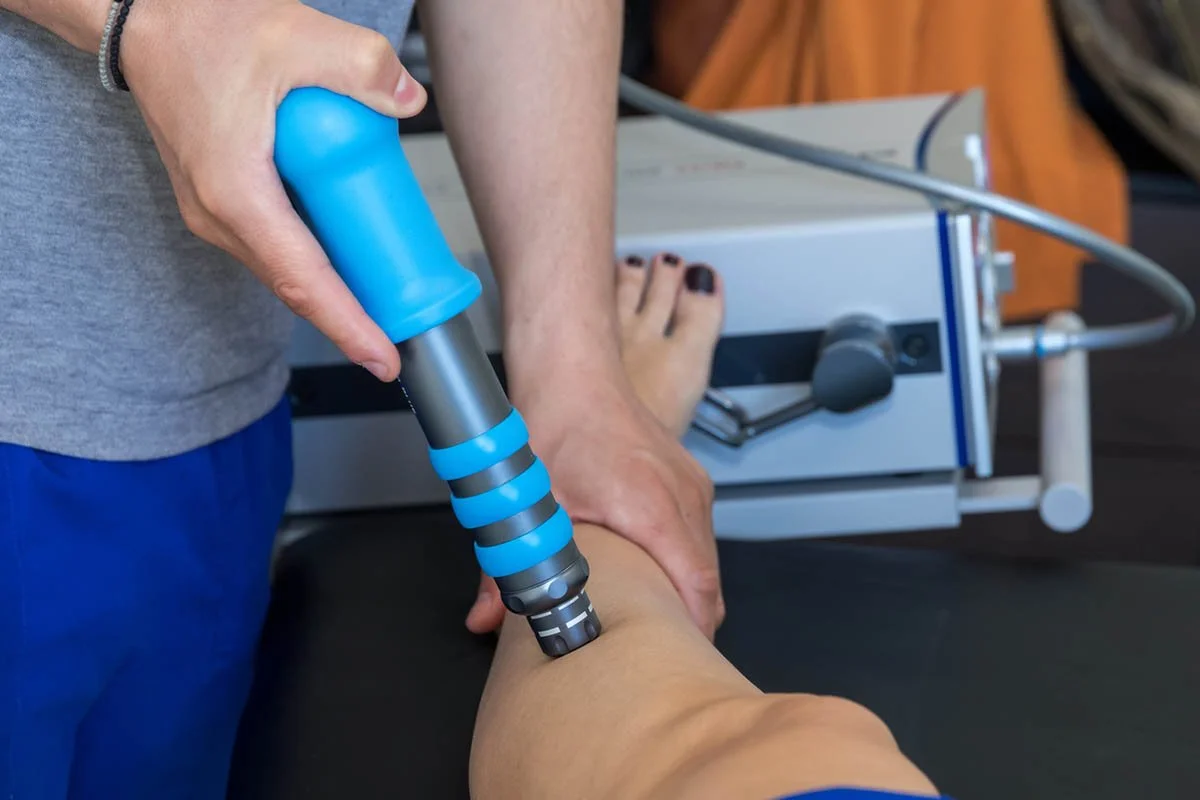
One of the most common concerns about this treatment is whether it causes discomfort. Understanding what sensations to expect can help ease any apprehension about starting therapy. This section will address common questions about pain levels during and after treatment while providing tips for managing mild discomfort.
Sensations During Treatment
Many patients wonder if shockwave therapy is painful. During the session, you may feel a tapping or tingling sensation. The intensity of the acoustic waves can be adjusted to ensure comfort.
Managing Discomfort
For sensitive areas, therapists use low-energy shockwave therapy or therapeutic ultrasound to minimize discomfort. Patients with compromised mental status or an inability to cooperate may require alternative treatments.
Post-Treatment Sensations
Mild swelling or tenderness is common post-treatment. These sensations signal the body’s natural healing response and typically resolve within a few days.
Finding Shockwave Therapy Near You
When searching for “shockwave therapy near me,” prioritize clinics with experienced professionals. Look for certified sports medicine physicians, injury-prevention specialists, or physical therapists skilled in ESWT and radial shockwave therapy.
Shockwave Therapy at Victory Performance and Physical Therapy
At Victory Performance and Physical Therapy, we pride ourselves on offering advanced treatments like shockwave therapy to help patients achieve lasting pain relief and recovery. Our team combines state-of-the-art technology with personalized care to provide effective solutions for various musculoskeletal conditions. This section explains why our clinic is the ideal choice for shockwave therapy and how our expertise ensures the best outcomes for our patients.
Our Expertise and Experience
At Victory Performance and Physical Therapy, we specialize in providing innovative solutions like shockwave therapy treatment to help you recover faster, reduce pain, and regain your mobility. Our team of experienced professionals combines cutting-edge technology with personalized care to treat a wide range of musculoskeletal conditions and sports-related injuries. Ready to take the next step toward pain relief and improved performance? Contact us today to schedule your consultation and experience the Victory difference!
Scheduling a Consultation
Ready to experience the benefits of shockwave therapy? Schedule a consultation with our injury-prevention specialists and take the first step toward pain relief and improved mobility.
Conclusion
Shockwave therapy is a versatile and effective treatment for musculoskeletal conditions, chronic calcification, and sports-related injuries. Whether you’re an athlete or someone dealing with lingering injuries, this noninvasive therapy offers accelerated healing, pain relief, and the restoration of mobility.
FAQs
How Many Sessions Are Typically Needed?
Most conditions require 3–5 sessions of extracorporeal shockwave therapy. For severe cases, additional treatments may be necessary.
Are There Any Side Effects?
Side effects are rare and minimal. Patients may experience temporary redness, swelling, or mild soreness at the treatment site.
Who Is Not a Candidate for Shockwave Therapy?
Individuals with blood clotting disorders, pregnancy, joint replacements, or pacemakers should avoid shockwave therapy. A thorough consultation with your doctor will identify any contraindications.