
Physical Therapy for Running Injuries In LA
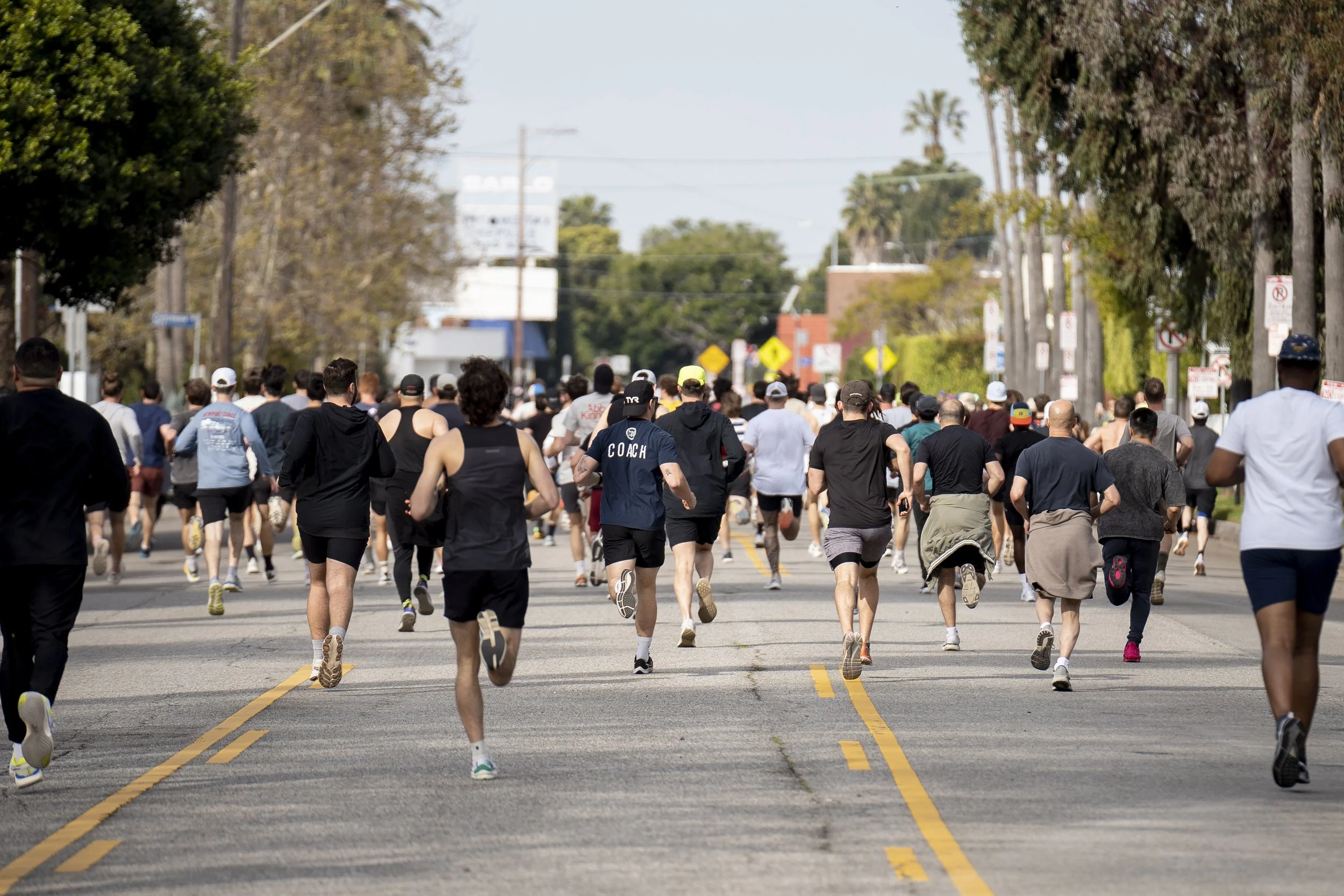
Running should feel like freedom. But for too many runners in Los Angeles, every stride brings that familiar ache—the sharp pain in your knee, the burning in your shin, the persistent tightness in your Achilles. Maybe you've tried rest, ice, and new shoes. Maybe you've even backed off your training for weeks, only to have the pain return the moment you build your mileage back up.
The truth? Most running injuries aren't about bad luck or getting older. They're about biomechanics, load management, and movement patterns that your body is trying to tell you need attention. At Victory Performance and Physical Therapy in Mar Vista, we specialize in keeping runners moving. Our Doctors of Physical Therapy understand that you don't just want to recover—you want to run stronger, smarter, and injury-free for the long term.
Call 424-543-4336 to schedule your evaluation and learn more about how we may be able to help.
This is why we do it
5000+ PEOPLE OUT OF PAIN
950+ SURGERIES AVOIDED
750+ 5-STAR REVIEWS
Located in Los Angeles || Serving
Active Adults & Athletes Since 2015
What Makes Victory's Running Injury Rehabilitation Different
-
Every session is with a licensed Doctor of Physical Therapy—never an aide or assistant. You receive a full hour of personalized attention, ensuring your treatment is precisely tailored to your running goals and adjusted based on your daily progress.
-
We base our treatment on the latest research in sports medicine and running biomechanics, not outdated methods. Studies consistently show that targeted strength training, gait retraining, and progressive loading protocols dramatically reduce injury recurrence and improve performance.
-
Whether you're training for the LA Marathon, running loops in Kenneth Hahn Park, or maintaining your weekly mileage for mental health, we get it. Our therapists have extensive experience helping runners of all levels—from first-time 5K participants to Boston qualifiers—return to peak performance.
-
For stubborn running injuries that resist traditional treatment, we offer cutting-edge interventions like shockwave therapy. This non-invasive treatment stimulates healing in chronic conditions like Achilles tendinopathy and plantar fasciitis, often providing breakthroughs when other approaches have reached a plateau.
-
We don't clear you to run based on how you feel—we use objective criteria. Before you return to full training, you'll complete comprehensive assessment of strength, range of motion, single-leg stability, and sport-specific movements to ensure you're truly ready.
-
In California, you can see a physical therapist directly without a doctor's referral. This means you can start your recovery immediately instead of waiting weeks for appointments and approvals. Our Doctors of Physical Therapy are trained to evaluate your condition and determine the most appropriate treatment approach.
"After working with Victory, I was able to roll my ankle recovery into training for the LA Marathon. They were able to schedule me promptly and built a treatment plan that got me rapidly improving." — Richa P.
Why Running Injuries Need Specialized Physical Therapy
Running is one of the most accessible forms of exercise, but it's also one of the most demanding. Every foot strike generates impact forces of 2-3 times your body weight. Over the course of a single run, you might take 10,000 steps or more. That's 10,000 opportunities for poor mechanics, muscle weakness, or mobility restrictions to cause problems.
Here's what most runners don't know: up to 80% of running injuries are overuse injuries caused by training load errors and biomechanical dysfunction. The difference between a runner who stays healthy and one who's constantly sidelined often comes down to addressing these underlying issues before they become major problems.
Research confirms that specialized physical therapy provides significantly better outcomes than rest alone. Studies show that runners who receive targeted rehabilitation not only recover faster but also have substantially lower re-injury rates. More importantly, they often return to running stronger and more resilient than before.
Common Hip Conditions We Treat:
-
Sharp or aching pain around or behind your kneecap, especially when running downhill, climbing stairs, or sitting for long periods. You might hear clicking or feel grinding in the joint.
Our approach: Runner's knee is rarely about the knee itself—it's about what's happening upstream and downstream. We assess hip strength and control, foot mechanics, quadriceps and hamstring flexibility, and running gait patterns. Weak glutes often allow your knee to collapse inward during foot strike, overloading the patellofemoral joint. We systematically address each contributing factor with targeted hip strengthening, patellar mobilization, and gait retraining to correct faulty loading patterns.
Research shows that exercise therapy targeting hip and knee strengthening produces significantly better outcomes than passive treatments alone. Our protocols combine manual therapy with progressive loading that teaches your body how to control the knee throughout the entire running stride.
-
Pain on the outside of your knee that typically shows up around the same distance or time into your run. It might feel like a sharp, burning sensation that forces you to stop or walk.
Our approach: Despite what you've been told, IT band syndrome isn't about a "tight IT band" that needs to be foam rolled. The IT band is a thick, non-contractile tissue that doesn't really stretch. The pain comes from compression and friction where the IT band crosses your knee joint—and that's caused by poor hip control and excessive internal rotation of your thigh during running.
We focus on strengthening your gluteus medius and gluteus maximus to improve hip stability, correct the excessive hip drop and internal rotation that creates abnormal tension, and modify your running mechanics to reduce compression forces. We also address any foot and ankle mobility restrictions that might force your body to compensate further up the chain.
A systematic review of IT band syndrome treatment confirms that hip strengthening and gait retraining are the most effective interventions for both recovery and prevention.
-
Pain along the inside edge of your shinbone that starts as a dull ache and progresses to sharp pain during and after runs. Often worse at the beginning of a run and might ease slightly as you warm up.
Our approach: Shin splints develop when the muscles and tendons along your shin are overworked—typically from sudden increases in training volume, running on hard surfaces, or biomechanical issues like overpronation. Left unaddressed, they can progress to stress fractures.
We identify the mechanical overload causing excessive strain on your posterior tibialis and soleus muscles. This includes assessing ankle mobility, calf flexibility, foot arch support, hip and core strength, and running cadence. We use manual therapy to reduce tissue tension, progressive strengthening to build lower leg capacity, and loading modifications to respect tissue healing timelines.
Research demonstrates that addressing the underlying biomechanical factors—not just resting—is essential for full recovery and preventing recurrence when you return to running.
-
Pain and stiffness in your Achilles tendon, either at the insertion point on your heel or higher up in the tendon itself. Typically worse in the morning or at the start of a run, sometimes improving with activity before worsening afterward.
Our approach: Achilles tendinopathy requires precise, evidence-based loading protocols. We differentiate between insertional and midportion tendinopathy because the treatment differs significantly.
For midportion Achilles tendinopathy, we implement progressive heavy-load strengthening at least three times per week—the gold standard backed by clinical practice guidelines. We use eccentric loading protocols that stimulate tendon remodeling and build tissue capacity.
For insertional Achilles tendinopathy, we use a specialized Low-Tendon Compression Rehabilitation protocol. Research published in 2025 showed this approach—which uses heel lifts, avoids deep calf stretching, and focuses on tensile rather than compressive loading—produces significantly better outcomes than traditional protocols, with 94.7% patient satisfaction.
We also address contributing factors like calf tightness, poor ankle mobility, and weak hip and glute muscles that alter your running mechanics and increase Achilles load.
-
Sharp, stabbing pain in the bottom of your heel, especially with your first steps in the morning or after sitting. Running becomes increasingly painful, and you might notice the pain returning hours after your workout.
Our approach: Plantar fasciitis responds well to physical therapy, but it requires a comprehensive strategy. We don't just give you a tennis ball to roll your foot on—we identify why your plantar fascia is overloaded in the first place.
Our treatment targets multiple contributing factors: weak intrinsic foot muscles that fail to support your arch, tight calf muscles that increase heel cord tension, limited ankle mobility that alters your gait, and weak hip and glute muscles that cause compensatory foot mechanics. We use manual therapy to reduce fascial tension, progressive strengthening to build foot and lower leg capacity, and gait retraining to distribute forces more effectively.
"I came to Victory with severe plantar fasciitis from marathon training. After working with them about 2.5 months, my plantar fasciitis has subsided, even as I've rebuilt high volume mileage for my next marathon." — Johanna W.
-
Sharp pain in the back of your thigh during speed work, hill training, or long strides. You might feel a pulling sensation or even hear a pop at the moment of injury.
Our approach: Hamstring strains often occur when runners have weak glutes, leading to hamstring dominance during the running stride. We address both the injured tissue and the biomechanical patterns that caused the injury.
Treatment includes progressive eccentric strengthening that's proven to reduce re-injury risk, hip strengthening to improve proximal control, running gait analysis to identify overstriding patterns, and gradual return-to-speed protocols that respect tissue healing timelines.
Research confirms that eccentric hamstring strengthening significantly reduces the risk of recurrent hamstring injuries—critical for runners who want long-term durability.
-
Dull, achy pain in your lower back that shows up during or after longer runs. You might notice increased pain when tired or toward the end of your weekly mileage.
Our approach: Many runners develop lower back pain from poor core stability and trunk control during the repetitive impact of running. When your deep core stabilizers aren't doing their job, your spine absorbs excessive load with every foot strike.
We assess your core endurance and control, hip mobility and strength, running posture and trunk mechanics, and thoracic spine mobility. Treatment includes targeted core stabilization training, hip strengthening to reduce compensatory trunk movement, and running form modifications that promote better postural control.
Studies show that core strengthening programs significantly improve running economy and reduce injury risk—making this work valuable even for runners without current symptoms.
Why Do Runners Get Injured?
Running injuries are rarely random bad luck. They build up over time due to the interaction of training load, biomechanics, and tissue capacity. Understanding these factors is essential for both recovery and prevention.
-
The most common cause of running injuries is doing too much, too soon, too fast. Your bones, tendons, and muscles adapt to training stress—but they need time. When you increase mileage or intensity faster than your tissues can adapt, breakdown occurs. Research shows that rapid increases in weekly mileage are strongly associated with injury risk.
-
Every foot strike generates impact forces that must be absorbed and distributed. When your hips and core can't adequately absorb and control these forces, the stress gets transferred to vulnerable tissues like your knees, shins, and feet. Weak glutes are found in the vast majority of runners with lower extremity injuries.
-
Stiff calves, hips, or hamstrings alter your running gait and increase strain on compensating structures. Limited ankle dorsiflexion, for example, forces your foot to pronate excessively or causes your heel to lift early, changing the entire kinetic chain up through your knee and hip.
Gluteal Strengthening That Actually Works
Your gluteus maximus is one of the most powerful muscles in your body, but it's also one of the most commonly inhibited. Hours of sitting, protective guarding from pain, and compensatory movement patterns all shut it down. We don't just give you clamshells and call it good. We progress through a systematic sequence: activation work to wake the muscle up, isolated strengthening to build capacity, and finally integration into functional movement patterns like single-leg squats, step-ups, and running mechanics. For conditions like gluteal tendinopathy, we're even more specific—using precise loading angles and carefully managing compression forces to rebuild tendon tolerance without flaring symptoms.
Core Stability for Hip Control
Most people don't realize their core and hip function as a single integrated system. When your deep core stabilizers (transverse abdominis, multifidus, pelvic floor) aren't doing their job, your hip has to work overtime to compensate. This is especially critical for athletic injuries like sports hernia or labral tears. We teach you to create intra-abdominal pressure, maintain neutral pelvic alignment, and integrate core control into dynamic movements. This isn't about six-pack abs—it's about creating a stable platform so your hip can move efficiently.
Tendon Loading for Long-Term Success
If you have gluteal tendinopathy or proximal hamstring issues, you need more than strength—you need tissue tolerance. Tendons respond to specific loading protocols that are completely different from muscle training. We start with isometric holds at specific angles to reduce pain and begin tissue adaptation. Then we progress to slow, controlled eccentric loading that stimulates tendon remodeling. The key is finding the "sweet spot" of load—enough to create adaptation, but not so much that we irritate the tissue. This is where our clinical expertise makes the difference between results and frustration.
Movement Pattern Retraining
Strength in isolation is meaningless if you can't use it when it matters. We progress from controlled, isolated exercises to complex, sport-specific movements that challenge your hip in multiple planes. For runners, this means single-leg stability work, plyometric progressions, and gait retraining. For athletes who cut and pivot, it includes deceleration training and change-of-direction mechanics. For everyone, it means relearning how to squat, lunge, and move through your day without compensatory patterns that perpetuate dysfunction.
-
Subtle differences between your left and right sides—in strength, mobility, or coordination—cause one side to work harder and potentially break down. Many runners are unaware they have significant asymmetries until we test single-leg strength and control.
-
Skipping dynamic warm-ups means you're asking cold, stiff tissues to immediately handle high loads. Neglecting recovery—whether through insufficient sleep, poor nutrition, or inadequate rest days—prevents your body from adapting to training stress.
The Victory Method for Running Injuries
At Victory Performance and Physical Therapy, we don't just treat your pain—we identify and fix the underlying biomechanical issues that caused your running injury in the first place. Our systematic approach ensures you don't just get back to running, you return stronger and more resilient.
-
Your running injury rarely exists in isolation. We conduct a full kinetic chain evaluation examining your hip strength, core stability, foot and ankle mechanics, and movement patterns. Weak glutes can alter your landing mechanics. Poor core control affects your trunk stability. Tight calves increase Achilles strain. We identify these connections during your initial 55-minute evaluation.
Our Doctors of Physical Therapy assess:
Range of motion throughout your lower extremity
Muscle strength from your foot through your hip and core
Single-leg balance and stability
Movement quality during functional activities like squats, lunges, and step-downs
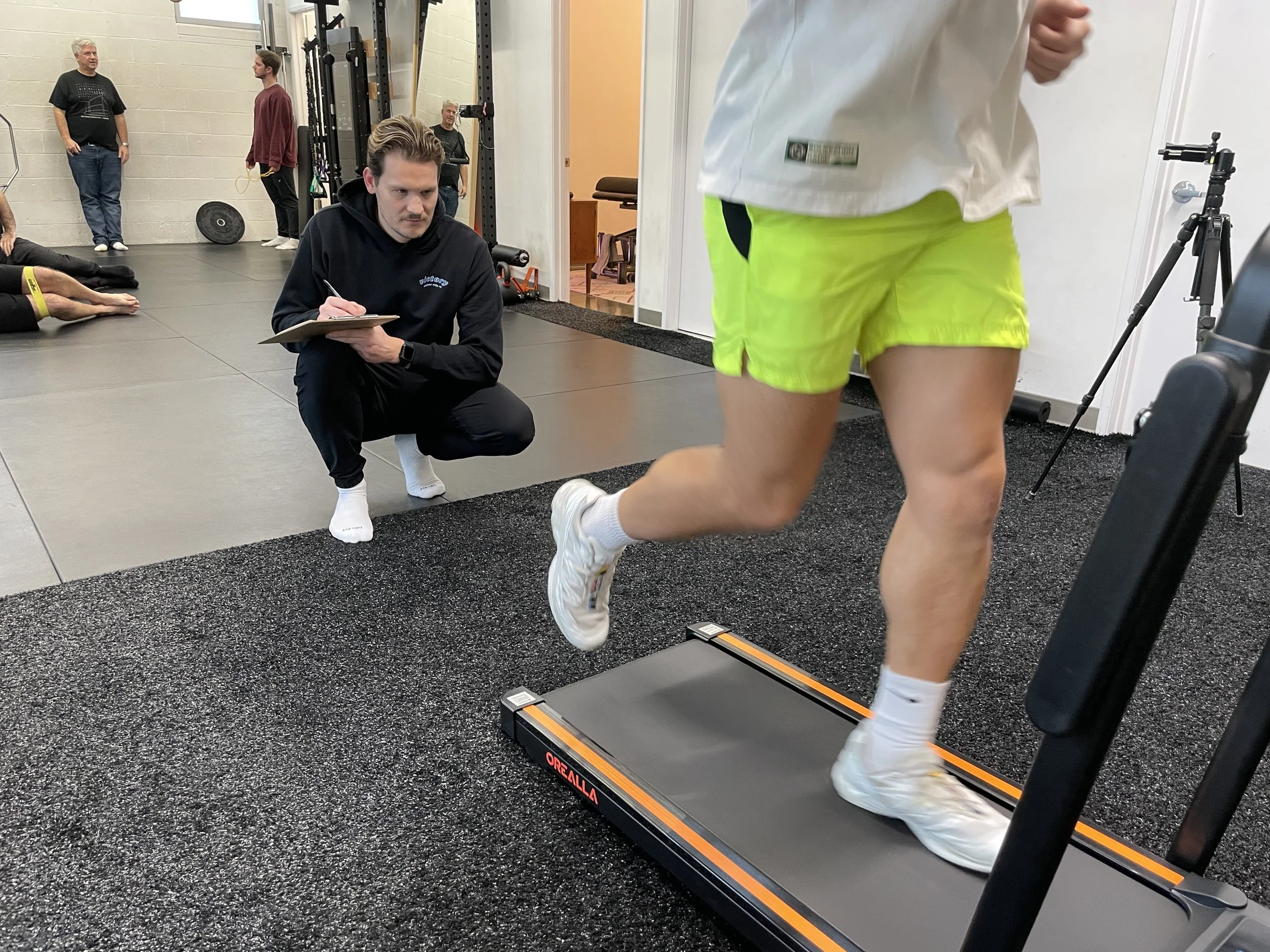
Running gait patterns using video analysis when appropriate
Training history and load management practices
This comprehensive approach ensures we're treating the cause of your running injury, not just the symptoms.
-
Every session at Victory includes skilled manual therapy techniques to restore proper joint mechanics and tissue mobility. We use:
Joint Mobilizations: Gentle, specific movements to restore normal motion in your ankle, knee, hip, and spine
Soft Tissue Work: Targeted techniques to address muscle tension, fascial restrictions, and trigger points that limit your recovery
Neuromuscular Re-education: Hands-on guidance to retrain proper movement patterns and muscle activation timing
This isn't passive treatment—our DPTs actively work on your body to accelerate healing, reduce pain, and prepare your tissues for the strengthening work ahead.
-
Running doesn't make you stronger—it reveals where you're weak. Our rehabilitation programs build strength and capacity throughout your entire kinetic chain:
Glute and Hip Strengthening: The foundation of running durability. We systematically develop your gluteus maximus, gluteus medius, and deep hip rotators through progressive loading that translates directly to running mechanics.
Core Stabilization: Not crunches—real anti-rotation and anti-extension control that protects your spine and improves force transfer with every stride.
Lower Leg and Foot Strengthening: Building capacity in your calves, posterior tibialis, and intrinsic foot muscles to handle the repetitive loading of running.
Single-Leg Power and Control: Running is a series of controlled single-leg hops. We train your body to excel at this fundamental pattern through progressive plyometric and stability work.
Research confirms that strength training reduces running injury risk by over 50%. This isn't optional—it's essential for long-term running health.
-
After an injury, your brain loses some of its ability to automatically coordinate and stabilize your joints. This sensorimotor dysfunction increases re-injury risk even after pain resolves.
We systematically retrain these neural pathways through:
Progressive balance challenges on various surfaces
Perturbation training to improve reactive stability
Eyes-closed exercises to enhance proprioceptive awareness
Sport-specific balance drills performed under fatigue
This work is particularly critical for ankle injuries and chronic instability, where research shows that dedicated balance training is superior to strength training alone.
-
How you run matters. Poor mechanics during running—overstriding, excessive vertical oscillation, asymmetric loading—place unnecessary stress on your body and increase injury risk.
We analyze and optimize:
Stride length and running cadence
Foot strike patterns and loading rates
Hip drop and pelvic stability during stance phase
Trunk posture and arm swing mechanics
Using video analysis and real-time feedback, we help you develop movement patterns that protect your body while maximizing efficiency. Small changes in running form can dramatically reduce injury risk and improve performance.
-
Returning to running too quickly is one of the most common reasons injuries recur. We use evidence-based return-to-run progressions that respect tissue healing timelines while systematically building your capacity.
Your progression includes:
Initial cross-training to maintain cardiovascular fitness
Walk-run intervals with carefully controlled distances
Gradual increases in running volume (typically no more than 10% per week)
Reintroduction of intensity and speed work only after establishing base mileage
Monitoring of symptoms and objective strength measures throughout
Before we clear you for full training, you must demonstrate adequate strength, range of motion, single-leg control, and the ability to complete running-specific tasks without compensatory patterns or pain.
How to Prevent Running Injuries
Here's what we coach every runner on to stay ahead of pain:
-
Tissue adaptation requires time. Sleep, nutrition, and load management matter as much as your workouts. Studies show that inadequate recovery significantly increases injury risk.
-
Runners who strength train reduce their injury risk by over 50% according to recent research. Two to three strength sessions per week focusing on glutes, core, and lower leg capacity should be non-negotiable.
-
Static stretching before running doesn't prevent injuries. Dynamic warm-ups that include leg swings, skips, lunges, and glute activation drills prepare your nervous system and tissues for the demands ahead.
-
Don't increase your weekly mileage by more than 10% per week. Gradual progressions allow your bones, tendons, and muscles to adapt to increasing loads.
-
Repetitive stress on the same tissues in the same way increases injury risk. Mix in trails or grass when possible, vary your pace throughout the week, and rotate between different shoes.
-
That small twinge that shows up at mile 3 and then goes away? It's your body's early warning system. If you feel an ache that keeps showing up in the same place, get it checked before it becomes something worse.
Why Runners in LA Choose Victory
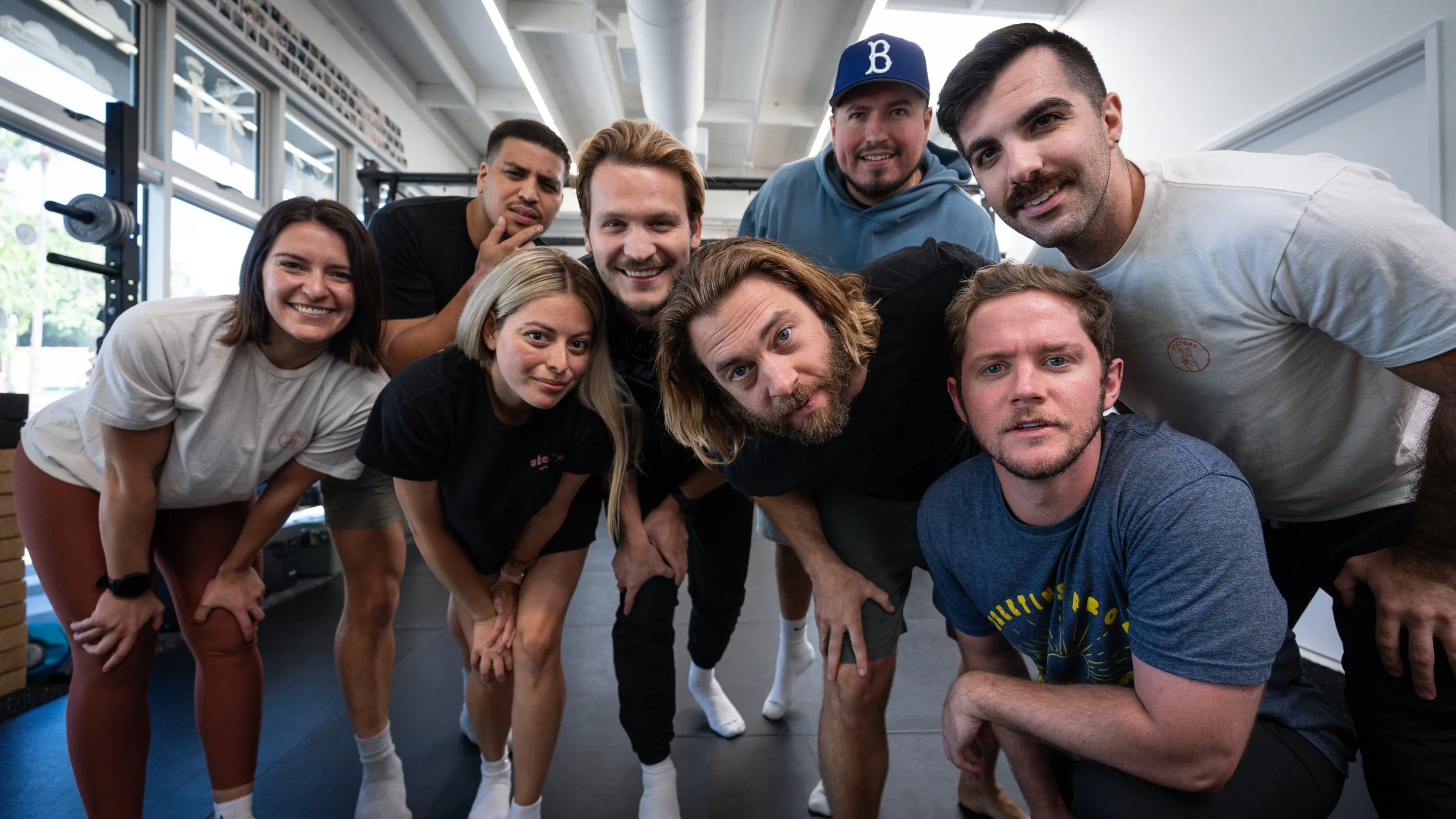
Victory Performance and Physical Therapy was built with performance in mind. Since 2015, we've helped thousands of local athletes—from first-time 5K participants to Boston qualifiers—reach their running goals.
Our team includes sports-specialized Doctors of Physical Therapy who are runners themselves and understand the mental and physical demands of the sport. We offer access to advanced recovery tools like shockwave therapy and sports massage, and our facility feels more like a high-level training studio than a medical office.
We know runners. We treat runners. And we help them win the long game of staying healthy for years to come.
Not sure where to start? Many runners come in uncertain whether their issue needs professional help. Here's our guideline:
You should schedule an evaluation if:
Pain persists for more than a few days, even if mild
Discomfort consistently appears at a specific mileage or effort level
You notice a change in form, such as limping or altered stride
You've had a previous injury and feel like it's creeping back
You're training for an important race and can't afford downtime
Early treatment not only speeds up recovery—it dramatically reduces the likelihood of recurrence.
Schedule Your Running Injury Evaluation Today
If you're in Mar Vista, West LA, Culver City, Palms, or the surrounding Los Angeles area, don't let a running injury steal the freedom and joy that running provides. Whether you're training for your next race, working toward a new PR, or just trying to maintain your weekly routine without pain, we can help.
Victory Performance and Physical Therapy specializes in getting runners back to pain-free movement using proven, evidence-based protocols that address the root cause of your injury.
Want to know if Victory can help? Give us a call
OR
Fill out the form and we will get back to you
Located on the West side, Victory Performance and Physical Therapy proudly serves patients throughout Los Angeles, including Culver City, West LA, Santa Monica, Venice, Marina del Rey, and surrounding communities.
Additional Services
Shockwave Therapy
This advanced treatment may help accelerate healing in stubborn injuries by stimulating blood flow and tissue repair. We use it as part of a targeted plan when traditional methods haven’t been enough.
Sports Massage
Our therapeutic massage combines movement with deep tissue techniques, targeting problem areas more effectively than traditional massage while potentially enhancing recovery and flexibility..
Personal Training
Once you've achieved your initial goals, our personal training programs may help you build strength safely, taking your history and fitness goals into account for continued progress.
Frequently Asked Questions
-
Recovery timelines vary based on your specific condition and how long you've been dealing with symptoms. Acute injuries like mild muscle strains may improve significantly within 4-6 weeks of consistent treatment. Chronic conditions like Achilles tendinopathy or plantar fasciitis typically require 8-12 weeks of dedicated rehabilitation. Stress fractures require 6-12 weeks of modified activity before beginning return-to-run progressions.
The key factors affecting your timeline include:
How early you start treatment
Consistency with your home exercise program
Willingness to modify training appropriately
Addressing underlying biomechanical issues
Most runners notice meaningful improvement within the first 2-4 weeks, which helps maintain motivation throughout the full recovery process.
-
Not necessarily. Complete rest is rarely the answer for running injuries. In fact, too much rest can lead to deconditioning and make your return to running more difficult.
Our approach emphasizes relative rest—reducing training volume and intensity to levels your body can tolerate while healing—combined with cross-training to maintain cardiovascular fitness. For some injuries like stress fractures, we may recommend complete running rest initially, but we'll guide you through alternative activities that keep you fit and mentally engaged.
The goal is to find the "sweet spot" where you're doing enough activity to promote healing and maintain fitness, but not so much that you're aggravating the injury.
-
For many running injuries, yes. Research demonstrates that physical therapy often produces outcomes comparable to surgical intervention for conditions like meniscus tears, IT band syndrome, and some cases of chronic Achilles tendinopathy.
Even when surgery eventually becomes necessary, completing a course of physical therapy first leads to better surgical outcomes and faster post-operative recovery. Over 950 of our patients have successfully avoided surgery through our evidence-based approach.
The key is starting treatment early, before compensatory patterns become deeply ingrained and before chronic conditions progress to the point where surgery is the only remaining option.
-
Running injury rehabilitation requires specialized knowledge of:
Running biomechanics and gait analysis
The specific demands placed on tissues during running
Progressive return-to-run protocols
Training load management principles
Common compensation patterns in runners
At Victory, our Doctors of Physical Therapy have extensive experience treating runners and understand how to balance recovery with maintaining fitness. We analyze your running form, not just your strength and flexibility. We understand training cycles and can help you modify your schedule appropriately. And we recognize that running is often essential for your mental health, not just physical fitness—so we work to keep you as active as safely possible.
-
If you're experiencing pain that's affecting your running:
First 24-48 hours:
Reduce or modify your training to a pain-free level
Apply ice for 15-20 minutes several times per day if swelling is present
Avoid anti-inflammatory medications unless needed for severe pain (they can interfere with tissue healing)
Don't completely stop all activity—gentle movement promotes healing
Then:
Schedule an evaluation with a physical therapist who specializes in running injuries
Resist the urge to "test" the injury every day by trying to run through it
Use the time to maintain fitness through cross-training if appropriate
Address any obvious training load errors (sudden mileage increases, inadequate recovery)
Seek immediate medical attention if you experience:
Severe pain that doesn't improve with rest
Inability to bear weight
Significant swelling that develops rapidly
Numbness, tingling, or weakness
Any suspicion of a stress fracture
-
In many cases, yes. Running gait analysis provides valuable information about your movement patterns and can reveal biomechanical issues contributing to your injury. We may film you running on a treadmill or outside and review the footage with you to identify areas for improvement.
However, gait analysis is just one tool in our assessment toolbox. We also thoroughly evaluate your strength, flexibility, balance, and functional movement patterns. This comprehensive approach ensures we understand not just how you run, but why you move the way you do.
The Science Behind Our Approach
Our running injury rehabilitation protocols aren't based on tradition or guesswork—they're grounded in the latest peer-reviewed research from leading sports medicine journals.
Strength training prevents injuries: A comprehensive systematic review published in the British Journal of Sports Medicine found that strength training reduces sports injuries to less than one-third and overuse injuries could be almost halved. For runners specifically, hip and core strengthening programs significantly reduce injury incidence.
Gait retraining works: Research demonstrates that gait retraining interventions—including increasing cadence, modifying foot strike pattern, and improving hip control—can reduce impact loading and successfully treat common running injuries like patellofemoral pain and tibial stress syndrome. Studies show that both impact-focused and cadence-focused gait retraining programs produce significant improvements in running pain that persist for at least six months.
Progressive loading is essential for tendinopathy: The 2024 Clinical Practice Guideline from the Journal of Orthopaedic & Sports Physical Therapy establishes that progressive tendon loading exercise, performed at least three times per week, is the gold standard treatment for Achilles tendinopathy. Passive treatments like rest, ice, or ultrasound are not supported by evidence.
Return-to-run progressions prevent recurrence:Studies show that structured, gradual return-to-run protocols following injury result in significantly lower re-injury rates compared to self-directed return to activity. The key principles include respecting tissue healing timelines, progressive increases in load, and objective criteria for advancement.
Training load management matters:Research published in the Journal of Orthopaedic & Sports Physical Therapydemonstrates that rapid increases in training load—particularly when weekly mileage increases by more than 30% over a 2-week period—are strongly associated with increased injury risk. Proper load management and adequate recovery periods are essential for injury prevention.
This research foundation ensures your treatment is based on proven methods that work, not outdated protocols or personal preferences. When you choose Victory, you're receiving care that reflects the current scientific consensus on optimal running injury rehabilitation.