
Knee Pain and Physical Therapy Culver City CA: How It Can Help
Struggling with Knee Pain? Physical Therapy Can Help
If you're dealing with knee pain in Culver City, you're not alone. Knee pain affects runners, lifters, weekend athletes, and active adults across Los Angeles, limiting your ability to train, compete, and enjoy the activities you love. Whether your pain comes from running, squatting, climbing stairs, or just sitting too long, finding the right treatment is essential for getting back to pain, free movement.
At Victory Performance and Physical Therapy in Culver City, we specialize in evidence-based treatments designed to reduce pain, restore function, and address the root causes of your knee pain without surgery or long-term reliance on medication.
Our comprehensive rehabilitation programs help active adults return to the sports and activities they love.
Key Takeaways
✅ Knee pain in active adults typically stems from hip and/or foot weakness and movement pattern dysfunction, not just knee problems.
✅ Physical therapy offers a non, invasive solution that strengthens the entire kinetic chain from hip to knee to foot.
✅ Combined hip + knee + foot strengthening produces better outcomes than focusing on the knee alone.
✅ Most active adults see significant improvement in 6, 8 weeks with proper physical therapy protocols.
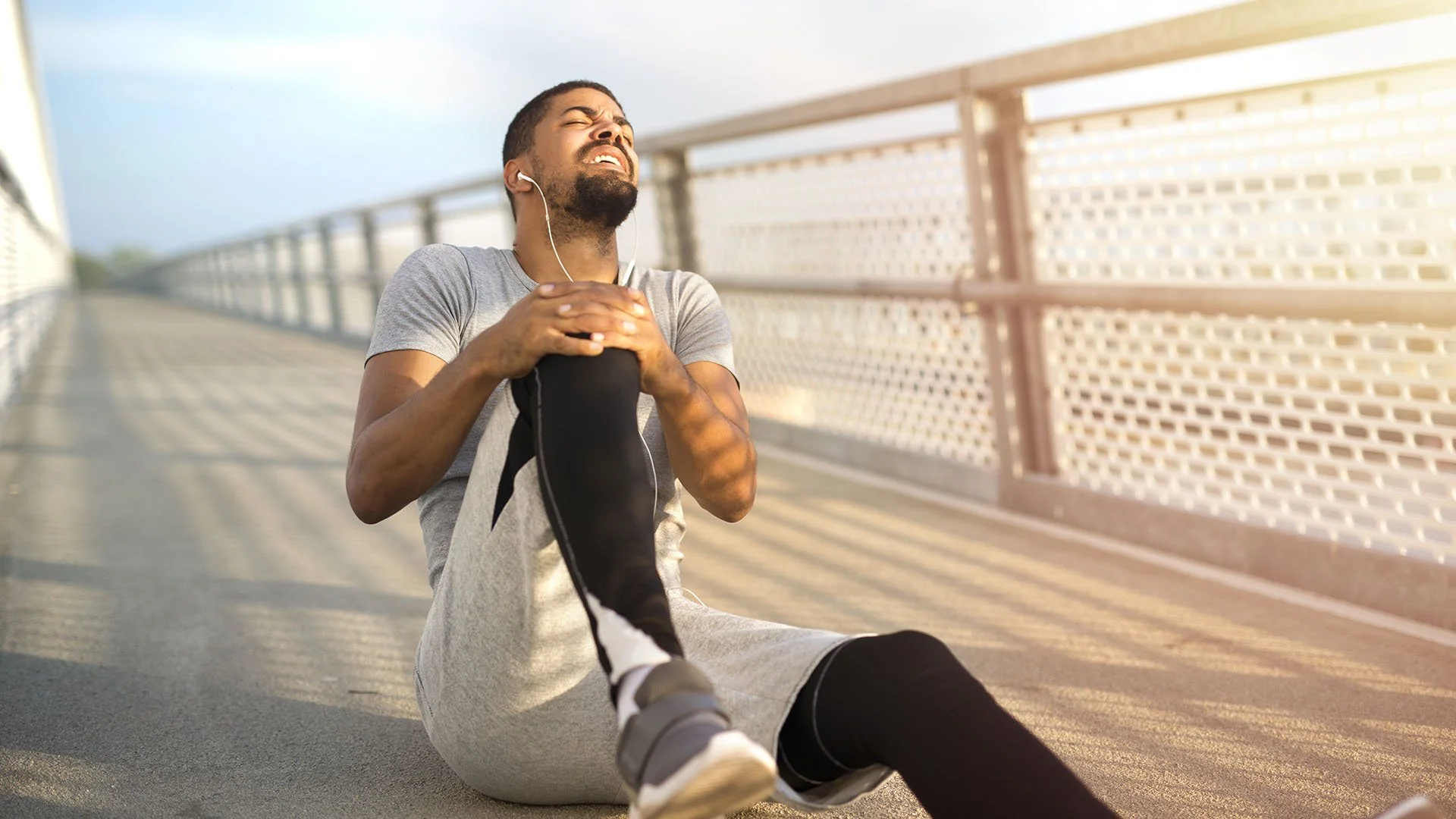
Understanding Knee Pain in Active Adults
What Causes Knee Pain?
Knee pain in runners, lifters, and active adults rarely comes from a single traumatic event. Instead, it develops gradually from compensatory movement patterns, muscle imbalances, and training errors that catch up over time.
The most common contributors include:
Weak hip muscles (especially gluteus medius) causing poor knee control
Quadriceps weakness affecting patellar tracking
Tight or weak hamstrings altering joint mechanics
Hip flexor and IT band tightness creating lateral knee stress
Training errors (sudden mileage increases, repetitive movements)
Poor movement patterns during running, squatting, or jumping
Research from the Journal of Orthopaedic & Sports Physical Therapy confirms that hip muscle weakness is one of the most consistent findings in people with knee pain. When your hips can't stabilize your pelvis and control your thigh position, your knee takes excessive stress with every step, squat, or jump.
Most patients we see at Victory Performance and Physical Therapy don't have a single injury event—they have movement patterns and strength deficits that accumulated over time. That's why diagnosis alone isn't enough. You need a comprehensive evaluation to get to the root cause, followed by targeted corrective physical therapy.
Common Knee Conditions We Treat
Victory Performance and Physical Therapy specializes in treating knee pain in active adults, including:
Patellofemoral pain syndrome (runner's knee) – The most common knee condition in active adults, affecting 13 - 30% of runners
IT band syndrome – Lateral knee pain affecting 5 - 14% of runners and cyclists
Patellar tendinopathy (jumper's knee) – Common in athletes who jump, land, and sprint repeatedly
General anterior knee pain – Pain at the front of the knee aggravated by squatting, stairs, and running
Post, injury rehabilitation – Recovery from knee sprains, strains, and overuse injuries
We also help individuals who've tried other approaches without success. If stretching, rest, and ice haven't solved your knee pain, our team can evaluate what's contributing and create a plan forward.
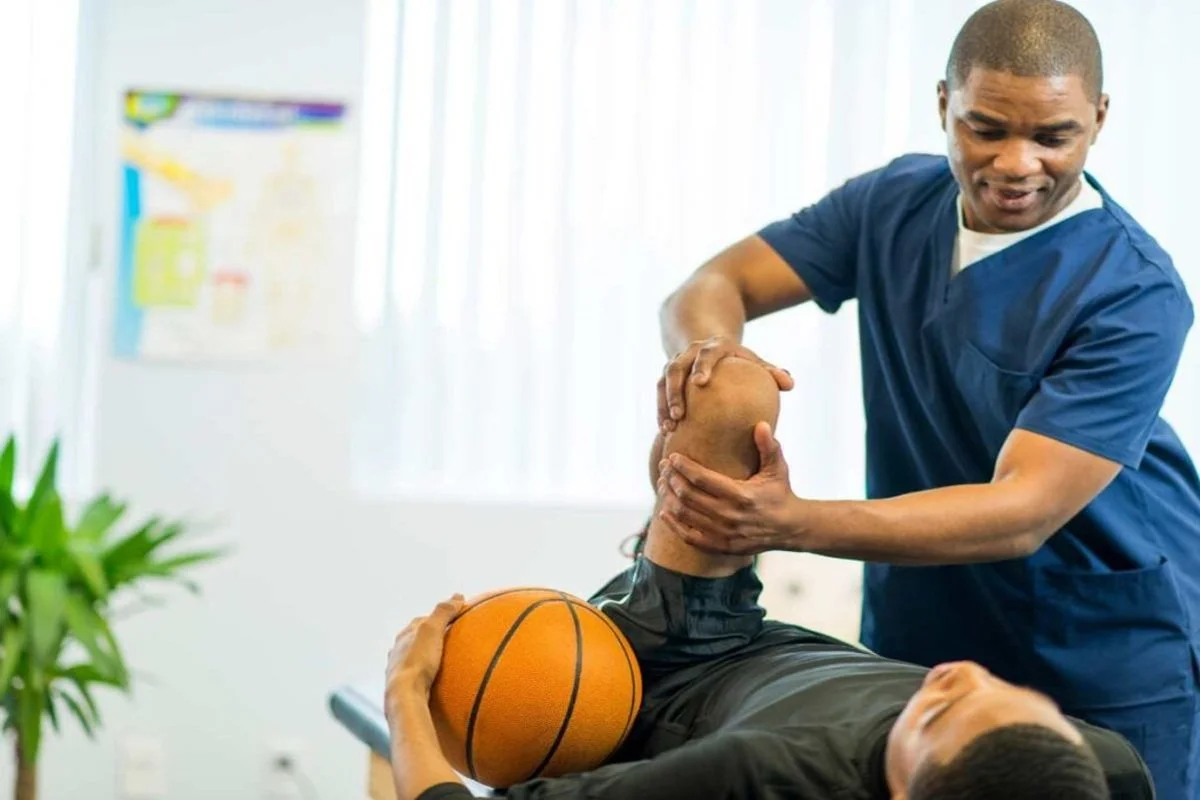
What Knee Pain Feels Like
The symptoms you experience depend on which structures are irritated and what's causing the dysfunction. You might notice:
Dull, achy pain around or behind the kneecap, often from tracking problems or cartilage stress
Sharp pain with squatting, lunging, or going up and down stairs, potential patellar tendon or patellofemoral joint involvement
Lateral knee pain during or after running, commonly IT band syndrome
Pain that improves with activity but returns afterward typical of overuse conditions
Stiffness after sitting for long periods (the "movie theater sign") classic patellofemoral pain
These symptoms are often misunderstood or mismanaged with rest alone. But knee pain rarely resolves fully without addressing the underlying movement dysfunction and strength deficits.
When to See a Physical Therapist
California law allows direct access to physical therapy, you don't need a referral.
If your knee pain has:
Lasted more than 2 weeks
Worsened with activity or training
Limited your ability to run, lift, or play sports
Caused changes in how you move or compensate
Not improved with rest, ice, and stretching
…you should be evaluated.
At Victory Performance and Physical Therapy, we use a hands on, movement, based approach. That means we don't just identify where it hurts, we figure out what's not working in your body, what's overloading your knee, and what's putting you at risk. From weekend warriors to competitive athletes to busy professionals across Culver City, we help people resolve knee pain and return stronger.
What to Expect From Knee Physical Therapy at Victory
Every knee is different, but great care always starts with a thorough evaluation.
Your first visit includes:
Comprehensive movement assessment: We watch how you squat, lunge, step down, and perform sport, specific movements
Hip and knee strength testing: Identifying weakness in gluteus medius, quadriceps, hamstrings, and hip rotators
Flexibility and mobility evaluation: Assessing hamstring, hip flexor, and IT band tightness
Patellar tracking analysis: Observing how your kneecap moves and where forces are concentrated
Gait and running analysis: For runners, we analyze stride mechanics, hip drop, and knee valgus
From there, your treatment plan may include:
Targeted strengthening exercises: Focusing on hip abductors, quadriceps, and posterior chain muscles
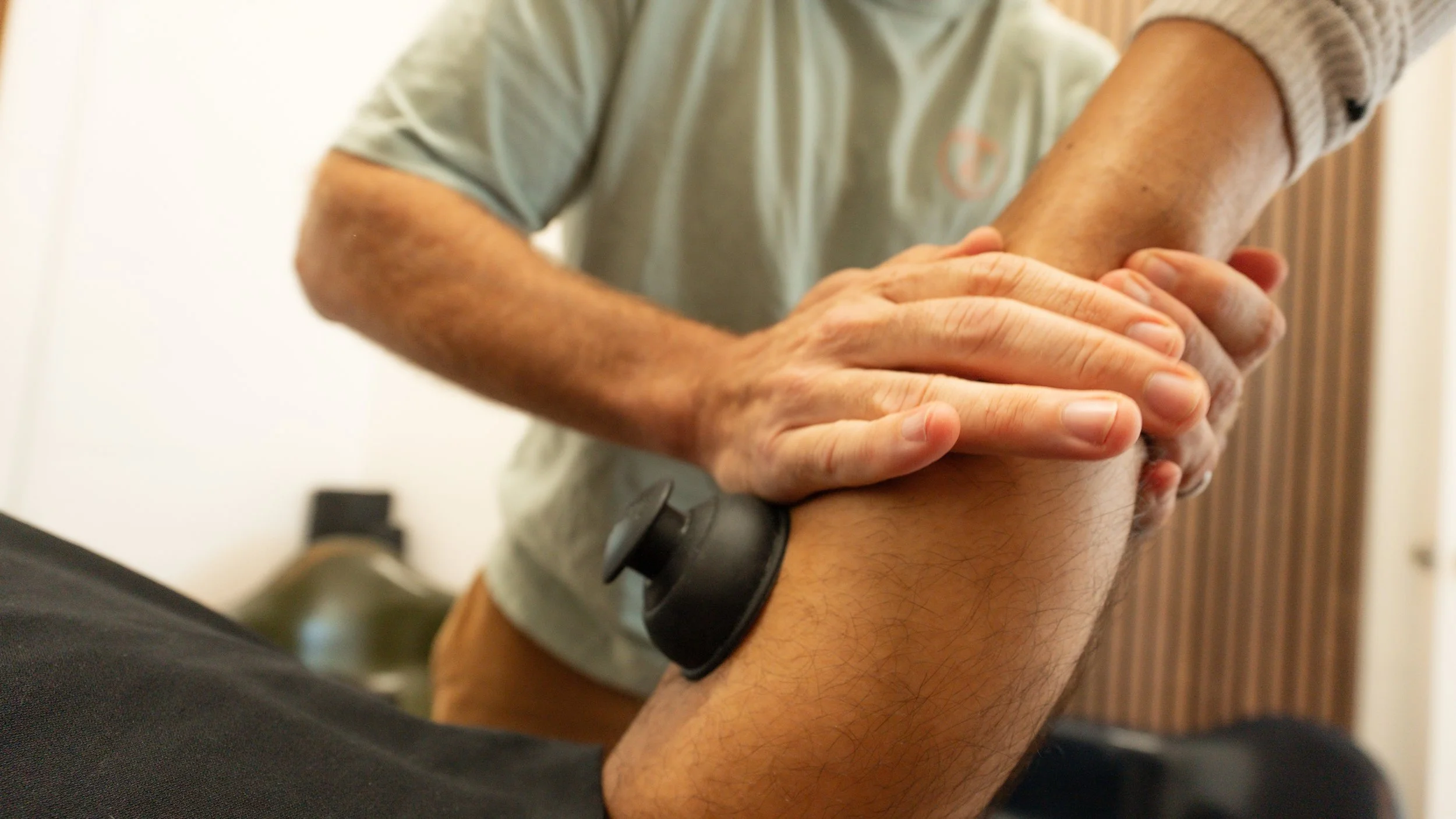
Manual therapy: Soft tissue mobilization and joint mobilizations to improve mobility and reduce pain
Neuromuscular re-education: Teaching proper movement patterns and motor control
Gait retraining: For runners, we may adjust stride rate, foot strike, or hip mechanics
Load management strategies: Modifying training volume and intensity while you rebuild capacity
Plyometric and return, to, sport progressions: Preparing you for jumping, cutting, and high, level activity
You'll also be supported by Victory's exercise app, which includes video demonstrations, rep tracking, and progression guidance to reinforce your work between visits.
Backed by Research, Built for Results
We don't guess. Our approach is grounded in the latest physical therapy research.
A 2018 systematic review in the Journal of Orthopaedic & Sports Physical Therapy analyzed 14 studies with 673 patients and found that combined hip and knee strengthening was superior to knee strengthening alone for reducing pain and improving function. Patients who completed at least 6 weeks of combined training (3 times per week) experienced benefits that persisted long after finishing physical therapy.
Research published in BMC Musculoskeletal Disorders in 2022 demonstrated that hip abductor strengthening significantly reduced pain scores and improved function in people with knee pain, with effects consistent across multiple high, quality studies.
For runners with patellofemoral pain, a 2020 study in the Journal of Athletic Training showed that gait retraining strategies, like increasing step rate by 10%, reduced knee pain by 81% at 6 - week follow up.
The evidence is clear: addressing hip weakness, improving movement quality, and progressively loading the knee produces the best outcomes for active adults with knee pain.
Real Stories From Patients With Knee Pain
Patients consistently share how Victory helped them find lasting relief even after other approaches failed.
"I decided to give Victory a visit when I began my LA Marathon training. I had run a few half marathons in the past and knew I was susceptible to injuries... However, the big guns came when my knee started giving me major issues, and made me unable to run long distances comfortably. Kyle was always reassessing our sessions and my at home workouts to make sure I got what I needed (ex: he created an extensive warm up plan for me to make sure I was properly prepared for my runs). We did a variety of exercises and he always adjusted when needed... I always have fun during my sessions! Kyle and the Victory team were out there supporting everyone at the LA Marathon, and when I passed them by at Mile 20, we cheered and hugged and celebrated! The support in and out of our PT sessions is priceless." – Andria A, Google Review
"I started sessions with Victory a month ago. When I came in, I had been running 35 miles a week for a few weeks and my left knee was in significant pain, and I had to decrease my mileage substantially for two weeks due to the pain. Within just a few sessions my knee stopped hurting entirely and I was able to get my mileage back up to now 50 this week. I have been running for 5 weeks now without any pain. It's magical!! I thought I would need to stop running entirely for a long time but they were able to diagnose my runner's knee and keep me running at the same mileage while strengthening my knees." – Jessica O, Google Review
Why Hip Strength Matters for Your Knees
One of the most important findings from recent research is that knee pain in active adults is rarely just a knee problem.
When your hip muscles, especially gluteus medius are weak, your pelvis drops during single leg activities like running or climbing stairs. This causes your thigh to angle inward, creating what's called dynamic knee valgus (the knee collapsing toward the midline). This inward collapse increases stress on the kneecap, strains the IT band, and overloads the knee joint.
A 2023 study in Arthritis Care & Research followed over 2,000 participants and found that women in the lowest quartile of hip abductor strength had 1.7 times the odds of worsened knee pain compared to those with stronger hips.
That's why our approach at Victory focuses on the entire kinetic chain, from spine to foot. We strengthen the muscles that control your thigh position, retrain the movement patterns that created the problem, and progressively load your knee so it can handle the demands of your sport or activity.
Physical Therapy for Runners, Lifters, and Weekend Athletes
Whether you're training for a marathon, hitting PRs in the gym, or playing pickup basketball on weekends, knee pain doesn't have to end your season.
For runners: We analyze your gait mechanics, address hip drop and knee valgus, adjust training volume, and implement evidence-based gait retraining strategies that reduce knee stress by up to 22%.
For lifters: We assess squat and lunge mechanics, correct compensatory patterns, strengthen weak links in the posterior chain, and progress you back to heavy loading safely.
For weekend athletes: We identify movement deficits that increase injury risk, build functional strength and stability, and create sustainable training habits that keep you active long, term.
Our goal isn't just to eliminate your pain, it's to make you more resilient so the pain doesn't come back.
How Long Does Knee Physical Therapy Take?
Most active adults with knee pain see significant improvement within 6 to 8 weeks when they commit to a comprehensive physical therapy program.
Mild cases (recent onset, minimal functional limitation) often improve in 4 to 6 weeks. Moderate cases (pain for several months, some activity modification needed) typically require 6 to 10 weeks. Chronic or severe cases (pain for 6+ months, significant functional loss) may take 12+ weeks.
The timeline depends on several factors:
How long you've had symptoms
Whether you continue high, impact activities during rehab
Your adherence to exercises and load management
The severity of strength deficits and movement dysfunction
Whether other contributing factors (like tight hip flexors or weak hamstrings) need to be addressed
What matters most is addressing the root cause, not just managing symptoms. That's what creates lasting results.
Why Choose Victory Performance and Physical Therapy in Culver City?
At Victory Performance and Physical Therapy, we specialize in treating active adults who want to stay active. Our team understands the demands of training, competition, and performance because we work with runners, lifters, and athletes every day.
We offer:
Evidence, based treatment protocols grounded in the latest research
One, on, one care with experienced Doctors of Physical Therapy
Comprehensive movement analysis using functional testing and gait assessment
Personalized exercise programs delivered through our digital app
Direct access no referral needed in California
Most insurance plans accepted with transparent billing
Our Culver City location serves active adults throughout Los Angeles who refuse to let knee pain sideline them.
Take the First Step Toward Pain, Free Movement
Don't let knee pain keep you from the activities you love. Whether you're a runner dealing with patellofemoral pain, a lifter managing tendinopathy, or a weekend athlete struggling with IT band syndrome, our team at Victory Performance and Physical Therapy can help.
Schedule an evaluation today with our expert physical therapists in Culver City and start your journey toward stronger, pain free knees.
