
How Weak Glutes Contribute to Lower Back Pain
Can Weak Glutes Cause Lower Back Pain?
Yes, weak glutes can be a major contributor to lower back pain. At Victory Performance and Physical Therapy in Culver City, we see this issue often in patients dealing with chronic discomfort. The glute muscles play a crucial role in stabilizing the pelvis and supporting spinal alignment. When they are weak or underactive, other muscles—particularly those in the lower back—are forced to compensate, leading to increased strain and pain.
Fortunately, targeted physical therapy can strengthen the glutes, reduce stress on the lower back, and restore pain-free movement.
Why Are Strong Glutes Important for Spinal Health?
The gluteal muscles—including the gluteus maximus, medius, and minimus—are essential for:
✅ Pelvic Stability – Preventing excessive movement that strains the lower back
✅ Load Distribution – Absorbing impact from walking, running, and lifting
✅ Postural Support – Preventing excessive forward tilting of the pelvis (anterior pelvic tilt)
Weakness in these muscles often leads to imbalances, overuse of the lower back muscles, and postural misalignment—all of which contribute to chronic back pain.

Weak glute muscles often lead to low back pain. At Victory Performance and Physical Therapy in Culver City, we create targeted plans to fix the source of your pain—not just the symptoms.
How Glute Weakness Leads to Back Pain
At Victory Performance and Physical Therapy, we focus on correcting muscle imbalances that contribute to pain. When the glutes are weak, the body compensates in ways that put excessive strain on the lower back:
1. Pelvic Instability
The glutes help stabilize the sacroiliac joint and pelvis. Weakness in these muscles can lead to excessive pelvic movement, which increases stress on the lumbar spine.
2. Overactive Lower Back Muscles
When the glutes are underactive, the lower back muscles take over, leading to tightness, spasms, and chronic discomfort.
3. Poor Shock Absorption
Strong glutes absorb impact during daily activities like walking and running. If they are weak, the force is transferred to the spine, increasing the risk of pain and injury.
4. Anterior Pelvic Tilt & Postural Misalignment
Weak glutes often contribute to poor posture, causing an exaggerated lower back arch (hyperlordosis), which increases pressure on the lumbar discs and joints.
What the Research Says About Glute Weakness & Back Pain
Scientific studies have established a strong connection between glute dysfunction and chronic lower back pain:
Delayed Glute Activation and Lower Back Pain: A study in the Journal of Orthopaedic & Sports Physical Therapy found that individuals with chronic lower back pain exhibit gluteal weakness and delayed activation, forcing the lower back to compensate and leading to excessive strain.
Strengthening the Glutes Reduces Lumbar Strain: Research from Clinical Biomechanics found that targeted glute strengthening significantly reduces stress on the lower back and improves spinal mechanics. Patients who followed a structured glute activation program experienced lower pain levels and better mobility.
Hip Strength & Spinal Stability: A study published in Sports Medicine confirmed that weak glutes contribute to poor pelvic stability, increasing the risk of chronic lower back pain and injury. Strengthening the glutes not only reduces pain but also helps prevent future issues.
This scientific evidence supports what we see in our clinic daily—strong glutes are critical for lower back health.
How Physical Therapy Strengthens the Glutes to Relieve Back Pain
At Victory Performance and Physical Therapy, our specialists create personalized treatment plans to restore glute strength and eliminate pain. Our approach includes:
1. Targeted Glute Activation
Many patients have glutes that are weak and inactive due to prolonged sitting and poor movement patterns. We use neuromuscular re-education to restore proper activation.
2. Strength & Stability Training
Our physical therapists design customized exercise programs that strengthen the entire posterior chain (glutes, hamstrings, and core) to:
✅ Improve pelvic stability
✅ Reduce compensatory lower back muscle overuse
✅ Correct postural misalignment
Some of the best physical therapy exercises for glute strengthening include:
Glute Bridges – Engages the gluteus maximus for hip stabilization
Clamshells – Strengthens the gluteus medius to improve pelvic alignment
Step-Ups – Builds functional strength and reduces compensation
Hip Thrusts – Targets the posterior chain to reinforce spinal support
Lateral Band Walks – Activates the gluteus medius to support proper movement mechanics
When to Seek Professional Help
If you’re experiencing chronic lower back pain, it may be due to weak glutes and poor pelvic stability. Working with a physical therapist ensures you receive a personalized treatment plan that:
✔ Identifies muscle imbalances
✔ Corrects movement dysfunctions
✔ Implements effective exercises for long-term relief
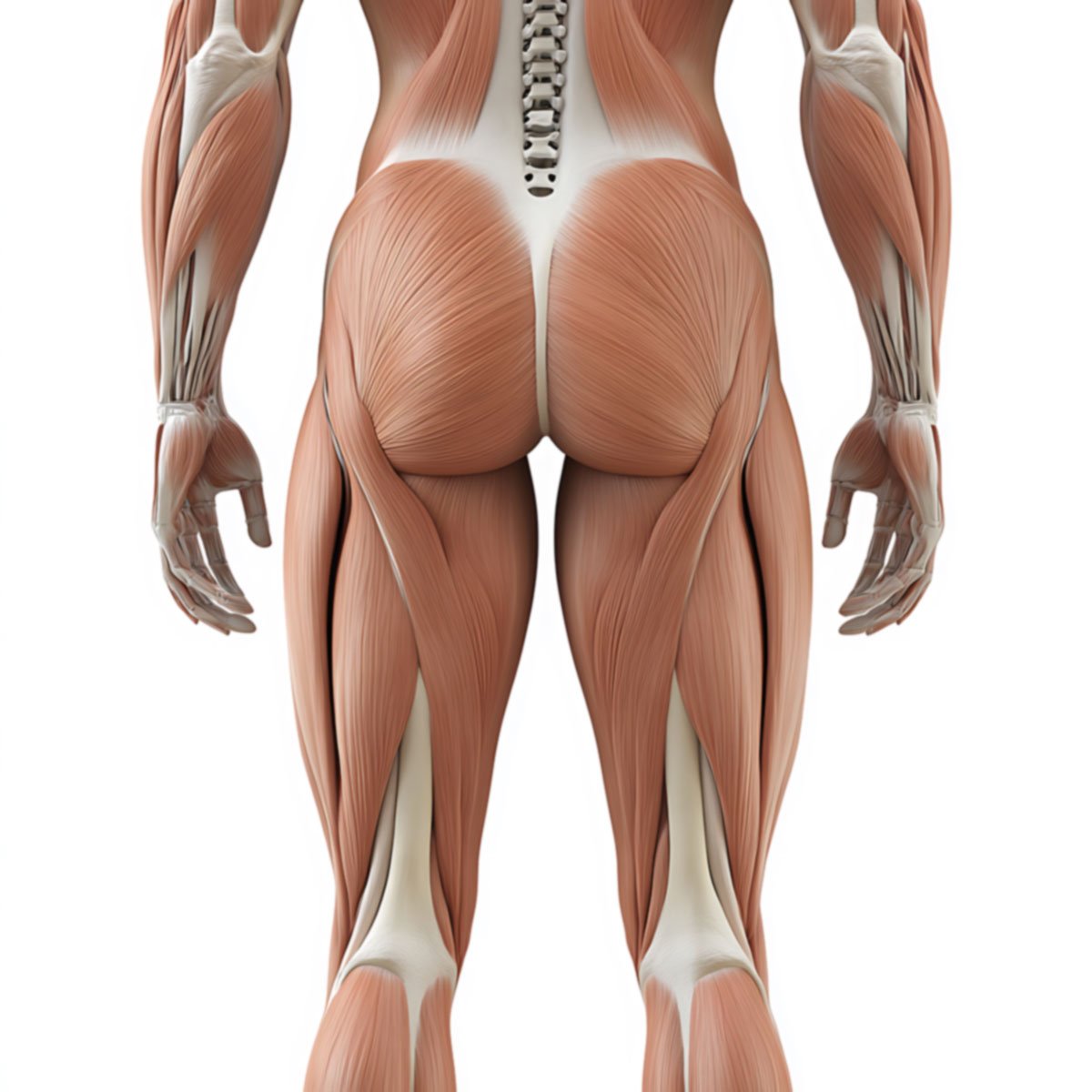
At Victory Performance and Physical Therapy, our team specializes in targeted rehabilitation strategies to restore glute function and eliminate lower back pain.
Why Strengthening the Glutes Is Key for Long-Term Relief
Unlike temporary solutions, building strength and stability in the glutes leads to:
✔ Reduced pain frequency and severity
✔ Lower risk of recurrent back injuries
✔ Improved posture and movement control
Take the First Step Toward Pain Relief
If lower back pain is limiting your daily life, our Culver City physical therapy team can help. Don’t wait—take control of your pain today.
