
Why Golfer's Elbow Keeps Coming Back and What to Do About It
Pain on the inside of your elbow that flares when you grip, pull, or flex your wrist. It might throb after a lifting session or ache through a workday at a keyboard. A lot of people do not immediately recognize this as an injury with a name. They assume it is general elbow soreness, push through it, and then spend months wondering why it never fully clears.
At Victory Performance and Physical Therapy in Culver City, we see medial epicondylitis, what most people call golfer's elbow, in athletes and active adults who have been managing this pain far longer than they should have. The injury tends to linger because it is frequently underestimated, often mistaken for something else, and treated in ways that address the symptoms without touching the underlying tissue problem.
This post covers what is actually happening, who gets it beyond the golf course, and how we approach it at Victory with physical therapy and shockwave therapy when appropriate.
✅ Key Takeaways
Golfer's elbow affects the inside of the elbow and is far more common in climbers, CrossFitters, and desk workers than in golfers
It is frequently confused with tennis elbow, which affects the outside of the elbow, and the two require different treatment approaches
Like tennis elbow, the chronic form involves tendon degeneration that does not resolve with rest alone
At Victory PT, our Doctors of Physical Therapy use a thorough assessment, targeted loading, and shockwave therapy to address the root cause
No referral needed under California's Direct Access law
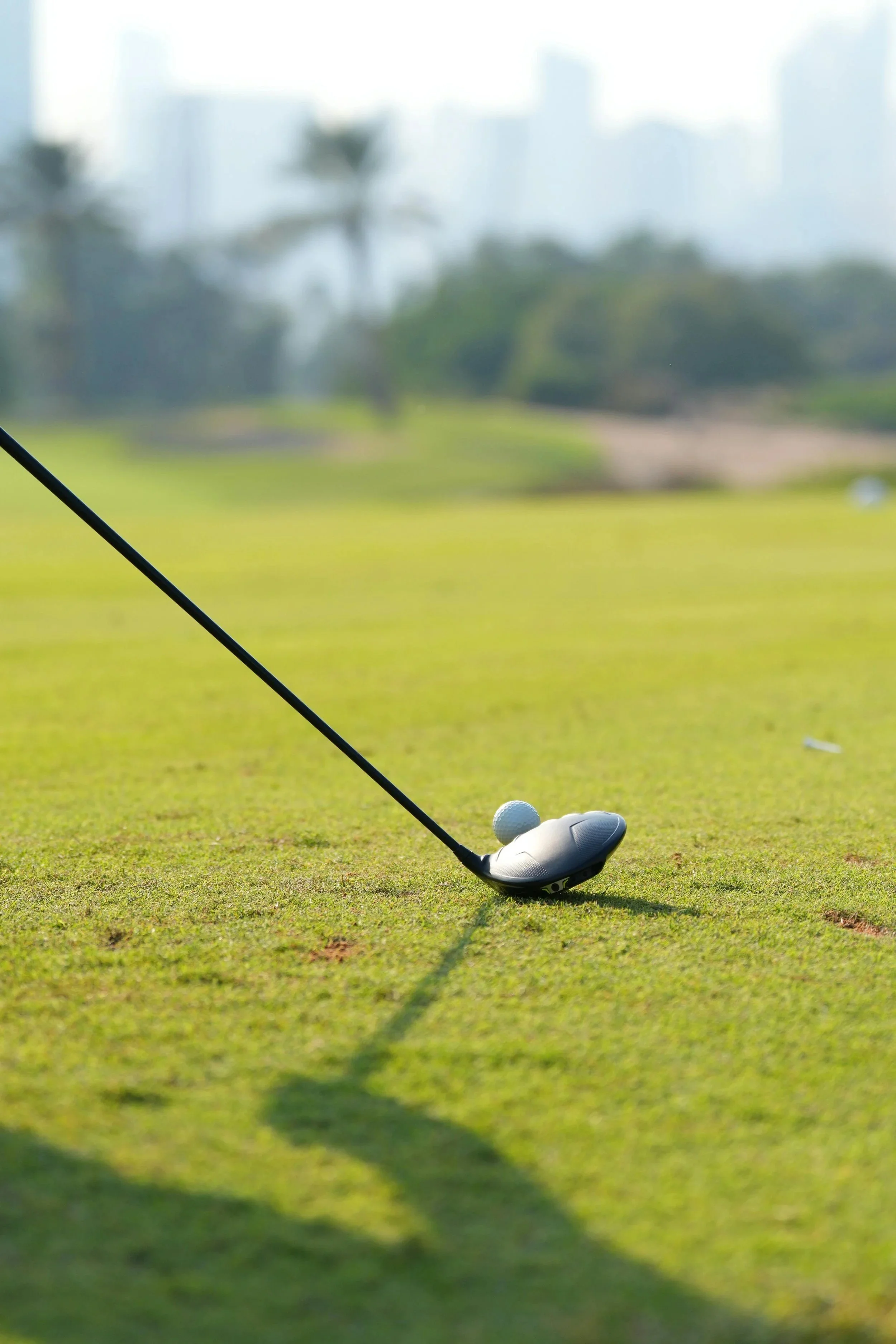
What Is Golfer's Elbow?
Medial epicondylitis is the clinical name. It involves the flexor and pronator tendons of the forearm where they attach to the medial epicondyle, the bony bump on the inside of your elbow. These tendons control wrist flexion and forearm rotation, movements that show up constantly in gripping, pulling, and throwing activities.
When those tendons are repeatedly loaded without adequate recovery, the same process that drives tennis elbow begins on the medial side. Micro-tears accumulate. The tissue shifts from acute inflammation to a chronic degenerative state, losing its normal organized structure and becoming painful under load.
The result is an injury that calms down with rest, seems manageable for a while, and then flares the moment training volume climbs back up.
How Is Golfer's Elbow Different From Tennis Elbow?
This is one of the most common questions we field at Victory, and it is worth a clear answer because the two conditions are easy to confuse.
Tennis elbow (lateral epicondylitis) affects the outside of the elbow. The extensor tendons are involved and pain is typically provoked by gripping, wrist extension, and activities like pulling, typing, or swinging a racket.
Golfer's elbow (medial epicondylitis) affects the inside of the elbow. The flexor and pronator tendons are involved and pain is typically provoked by wrist flexion, forearm rotation, and activities involving pulling, gripping, or throwing.
The two conditions share the same underlying tissue mechanism — tendon degeneration at an attachment site — but they involve different tendons, different sides of the elbow, and different movement patterns. Treatment for one is not interchangeable with treatment for the other. This is one of the reasons a proper assessment matters before starting a rehabilitation program.
A simple way to identify which you might have: if the pain is on the outside of your elbow and worsens when you extend your wrist against resistance, it is more likely tennis elbow. If the pain is on the inside and worsens when you flex your wrist or rotate your forearm, golfer's elbow is a more likely candidate. A Doctor of Physical Therapy can confirm this through clinical testing.
Who Actually Gets Golfer's Elbow
The name creates a misleading impression. The majority of patients we see with medial epicondylitis at Victory have never set foot on a golf course. The condition is common across a wide range of active adults in Culver City and the surrounding LA area:
Rock climbers putting sustained load through their finger flexors and forearm in grip-intensive movement
CrossFit athletes doing high volumes of deadlifts, rows, kipping pull-ups, and barbell work
Baseball and softball players whose throwing mechanics create significant medial elbow stress
Golfers, particularly through poor swing mechanics that overload the lead wrist and forearm at impact
Office workers and remote professionals with repetitive keyboard and mouse use
Weightlifters performing heavy rows, curls, and pulling movements with compromised forearm mechanics
Gym-goers who have recently increased volume on pulling exercises without a proportional increase in recovery
There is also a meaningful overlap between golfer's elbow and other medial elbow conditions, including ulnar nerve irritation. One of the reasons chronic medial elbow pain can be so stubborn is that when the diagnosis is not precise, the treatment tends to miss. Our DPTs at Victory are experienced in distinguishing between these presentations and building programs around what is actually going on.
Why Does It Take So Long to Resolve?
This is the question behind most of the frustration patients bring to us. The short answer is that the medial elbow is involved in a staggering number of daily movements, and achieving the kind of relative rest that allows early healing is genuinely difficult.
Every time you grip something, open a door, carry a bag, type at a keyboard, or perform any pulling movement in the gym, the flexor and pronator tendons are working. The cumulative load through these tendons over a day of normal activity is high, which makes it difficult for early-stage treatment to gain traction.
Layered on top of this is the same tissue biology that drives tennis elbow. Once medial epicondylitis has moved into a chronic, degenerative state, the tendon tissue is not going to recover through passive rest. The collagen structure has broken down. What the tissue needs is not less load but the right kind of load, applied progressively in a way that stimulates remodeling.
This is why the rest-and-return cycle repeats so reliably. The pain settles, activity resumes, and the degenerated tendon gets loaded again before it has structurally improved.
How We Treat Golfer's Elbow at Victory Performance PT
Our approach starts with precision. Getting the diagnosis right and understanding the individual factors driving the injury is what allows treatment to work rather than simply manage.
The Assessment
At Victory, our Doctors of Physical Therapy evaluate every medial elbow presentation thoroughly before any treatment begins. For golfer's elbow, that means looking at:
Reproducing and localizing the pain precisely to confirm medial epicondylitis vs. other medial elbow pathology
Assessing wrist flexor and pronator strength and flexibility
Evaluating shoulder and scapular mechanics that may be contributing to forearm overload
Reviewing the activities and training patterns that provoked the injury
Identifying any neural component, such as ulnar nerve involvement, that requires a modified approach
This is the root cause process that defines how we work. Two patients with the same diagnosis can have completely different contributing factors, and the program we build for each one reflects that.
The Loading Program
Progressive loading is the foundation of tendinopathy rehabilitation at Victory. For medial epicondylitis, this means a structured eccentric and isometric program targeting the wrist flexors and pronators, designed to apply the right mechanical stimulus at the right progression for your tendon.
The specifics matter. Load level, tempo, range of motion, and progression timing all affect outcomes. Getting them wrong can prolong recovery. Our DPTs monitor your response throughout and adjust as the tendon remodels.
We also address any contributing factors identified in the assessment. If shoulder mechanics are offloading grip stress onto the forearm, we address that. If training technique is part of the picture, we work through it together. The tendon loading program is the core, and the surrounding work is what prevents recurrence.
Peter K. came to Victory after five years of working through a complex injury history and trying multiple practitioners.
"His knowledge, expediency and accuracy with which he diagnosed my current issues is a testament to his experience as a healer and coach. Both Santo and his team built a progressive program that kept me challenged and on the path to painlessness. The only thing Victory PT can't do for you is the work itself."
That combination of precise diagnosis and a well-structured progressive plan is what we bring to every presentation, including the ones that have already confused other providers.
Where Shockwave Therapy Fits In
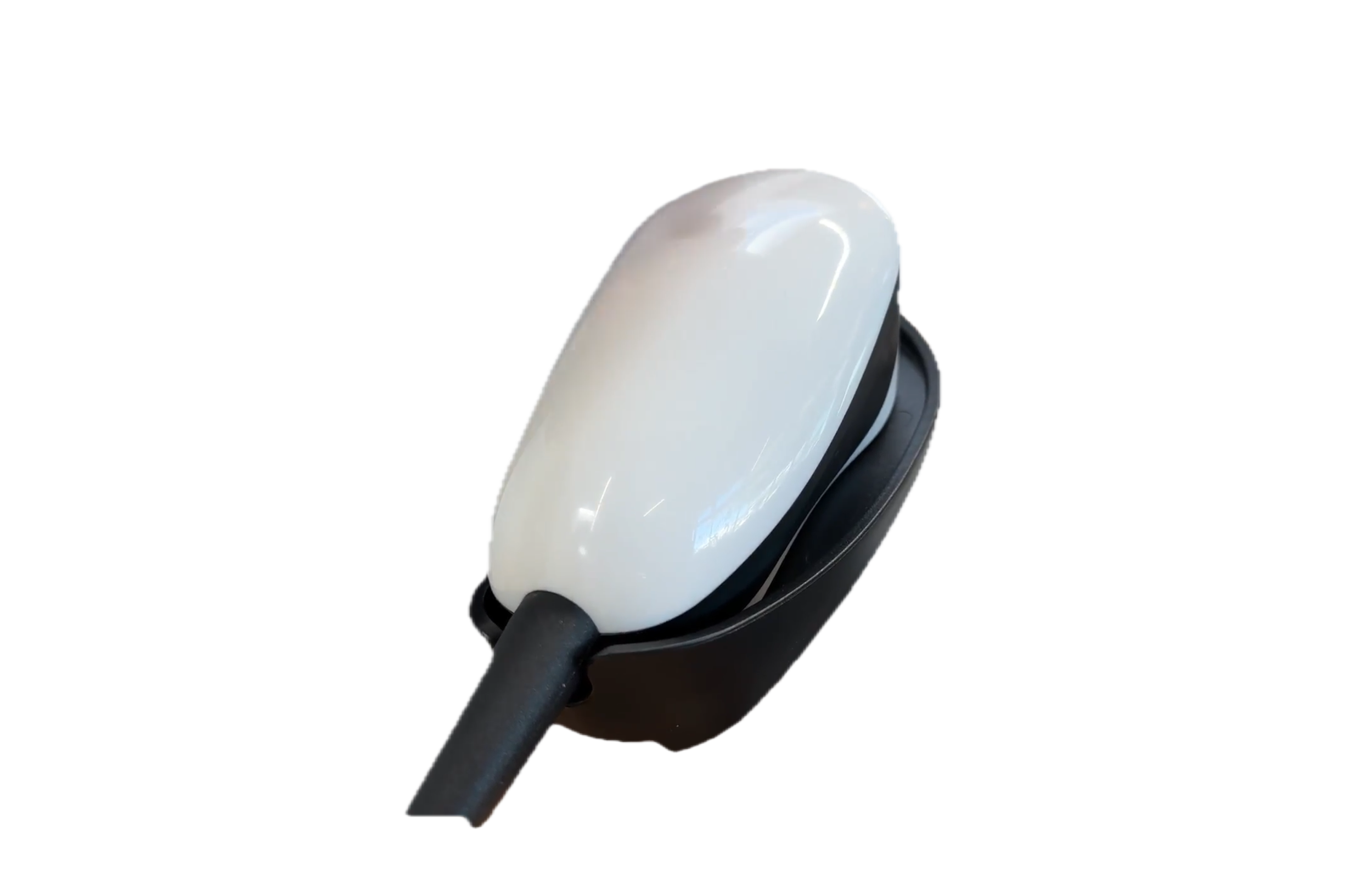
For patients with chronic golfer's elbow that has not responded adequately to loading and manual therapy, shockwave therapy gives us a direct way to target the degenerated tissue at the medial epicondyle.
Extracorporeal shockwave therapy (ESWT) delivers focused acoustic pulses to the tendon attachment site. The energy triggers mechanotransduction, a biological process where the mechanical signal stimulates cellular repair, promotes collagen remodeling, and encourages blood vessel formation in chronically degenerated tissue. The goal is to restart a healing process that has stalled.
A meta-analysis published in BMC Sports Science, Medicine and Rehabilitation analyzing 45 clinical studies across multiple tendinopathies found statistically significant pain reductions from shockwave therapy. (Majidi et al., 2024) A 2024 systematic review and meta-analysis covering upper limb tendinopathies including epicondylitis found support for ESWT as an evidence-based intervention in this population. (Xiong et al., 2024, Frontiers in Medicine)
It is worth being straightforward here. The research base for medial epicondylitis specifically is smaller than for lateral epicondylitis, where the evidence is more extensive. What is well established is the underlying tissue mechanism — tendinopathy at an attachment site — and ESWT has strong support for that mechanism across tendinopathies broadly. At Victory, when we recommend shockwave for golfer's elbow, it is as part of a comprehensive DPT-supervised plan, not as a standalone treatment, because the combination of loading and ESWT consistently produces better results than either approach alone.
We typically consider shockwave therapy when:
Symptoms have persisted beyond 8 weeks of appropriate conservative care
Activity modification and loading alone have not produced adequate improvement
The patient has a specific performance goal or timeline that makes accelerating recovery a priority
The clinical presentation is consistent with chronic tendon degeneration rather than acute inflammation
Dealing with inner elbow pain that has been hanging around for weeks or months? Our Doctors of Physical Therapy at Victory Performance and Physical Therapy in Culver City can assess exactly what is going on and build a plan that addresses it properly.
📞 Call or text: 424-543-4336 📅 Book online at victoryperformancept.com
No referral required. California's Direct Access law means you can come straight to us.
What Shockwave Sessions Look Like at Victory
Sessions are straightforward and typically run 10 to 15 minutes. Your DPT locates the site of greatest tenderness at the medial epicondyle and delivers the acoustic pulses to that area. Most patients describe the sensation as a firm tapping or pulsing that can be moderately uncomfortable over the most sensitive point but is manageable throughout.
A temporary increase in soreness in the 24 to 48 hours after each session is a normal part of the tissue response. It typically settles within a day or two. Most patients complete 5 to 10 sessions spaced approximately one week apart as part of their broader rehabilitation plan. Your DPT reassesses throughout and adjusts the overall program based on how your tendon responds.
Common Questions About Golfer's Elbow
Can I keep training while I treat golfer's elbow?
In most cases yes, with thoughtful modification. Our DPTs at Victory will identify which activities are aggravating the medial tendon and help you adjust load, volume, or technique to stay active while recovery progresses. Pulling movements, gripping intensity, and barbell load are common areas we address during this phase.
How long does golfer's elbow take to fully resolve?
Presentations caught early and treated appropriately often improve within 8 to 12 weeks. Chronic cases, particularly those involving a long history of pushing through pain or repeated cycles of rest and return, typically require 12 to 20 weeks of consistent work to resolve durably. Shockwave therapy can shorten this timeline for appropriate presentations. And if you want to fix the root cause (strength, mobility, how you move), lasting results can take 6+ months.
Can golfer's elbow affect people who do not play golf?
Absolutely, and the majority of patients we treat with this condition are not golfers. Rock climbers, CrossFit athletes, desk workers, and anyone doing high volumes of pulling or gripping work are just as susceptible. The name is historical, not diagnostic.
Do I need a referral to come to Victory?
No. Under California's Direct Access law, you can come directly to Victory Performance and Physical Therapy without a physician referral. Book online or call us and we will schedule your evaluation.
Stop Working Around It and Start Treating It
Golfer's elbow tends to become a background problem that active adults adapt to rather than resolve. At Victory Performance and Physical Therapy in Culver City, our experience is that this injury responds very well when it is properly assessed and treated with the right combination of targeted loading, hands-on care, and shockwave therapy when the tissue needs it.
Becca Powell came to Victory after years of lower back pain that had kept her out of the gym. Her experience captures what thorough, individualized care at Victory looks like in practice.
"From the first phone call, I knew I'd found a PT that was knowledgeable, empathetic, and willing to work with me not just throw exercises at me. I have had low back pain for years that prevented me from all kinds of activities. I'm now back at the gym even doing RDLs."
The same approach applies to every injury we treat, including the inner elbow pain that has been limiting your training longer than it should have.
📅 Book your appointment at victoryperformancept.com/contact
📞 Call or text: 424-543-4336
Victory Performance and Physical Therapy | Culver City, CA | Serving active adults and athletes since 2015
