
How to Train for Hyrox and CrossFit Without Getting Injured
Training for events like Hyrox, Deka, or high-intensity CrossFit competitions requires your body to perform at maximum intensity across two opposite demands: explosive strength and sustained endurance. This hybrid training style creates unique injury risks that require a specific approach to manage. At Victory Performance and Physical Therapy in Culver City, we help driven professionals stay in the gym while their tissues recover.
You wake up stiff after heavy sled pushes.
Your shoulder aches during high-volume wall balls.
Your knee hurts halfway through lunges, but you have a race in eight weeks.
For the driven professionals we see in Culver City, hybrid training is incredibly rewarding. But it brings risks that traditional runners and powerlifters don't face.
At Victory Performance and Physical Therapy in Culver City, we help driven professionals stay in the gym while their tissues recover.
You need a strategy that keeps you moving while allowing your tissues to recover.
This guide covers the biomechanics of hybrid racing and evidence-based strategies to help you manage common overuse injuries.
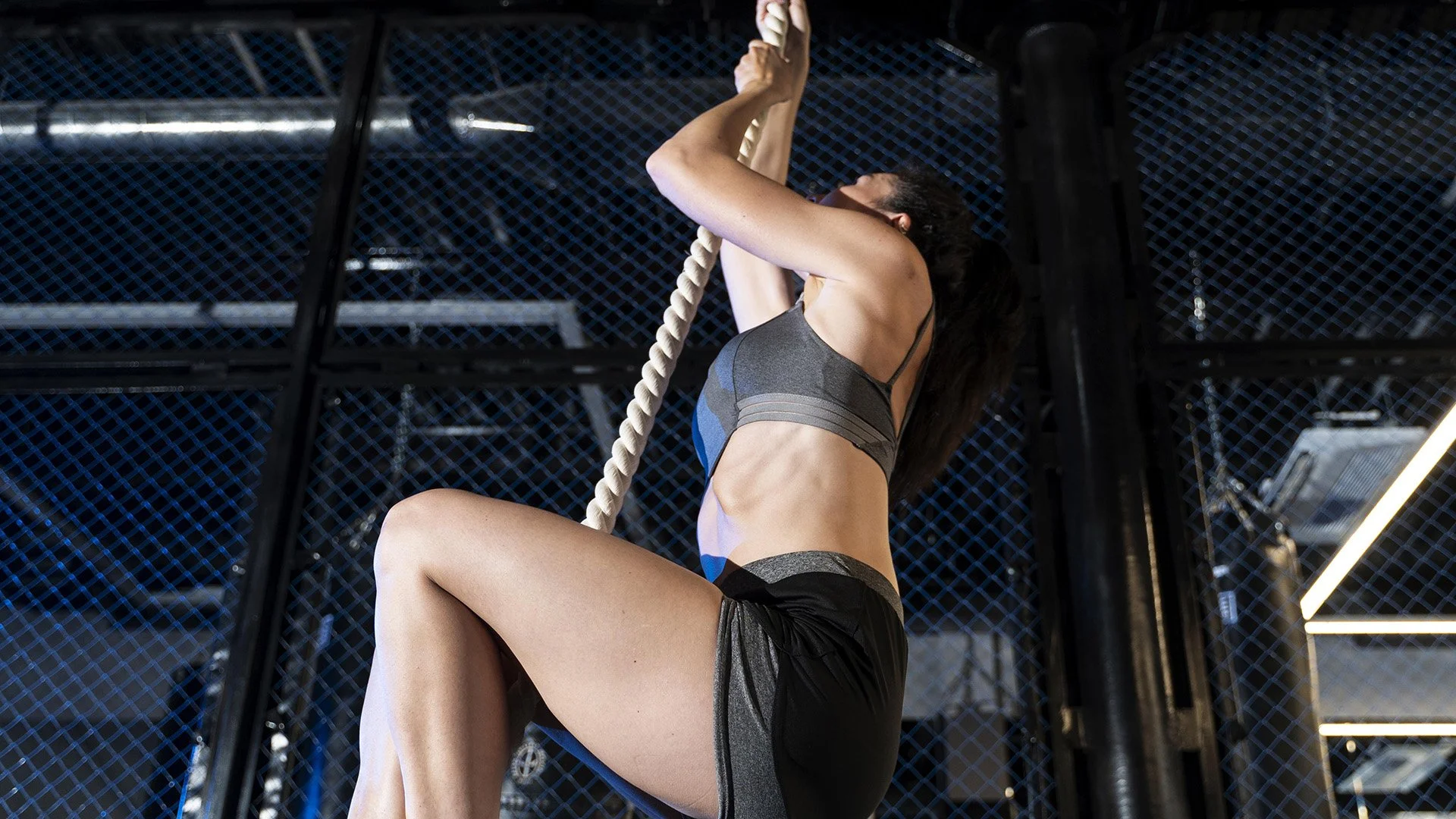
Why Do Hybrid Athletes Get Hurt?
Hybrid training imposes what researchers call concurrent training demands.
You are asking your muscles to adapt to endurance (running 8km) and explosive strength (sleds and wall balls) at the same time.
When you combine resistance and endurance training, the adaptations from each can potentially interfere with one another. This is called the interference effect.
While recent research suggests the interference effect may be overstated for most athletes, the fatigue from running still compromises your lifting mechanics.
When fatigue sets in, your form breaks down. That's usually when the overload happens.
What Causes Knee Pain During Heavy Lunges?
In a standard Hyrox race, you might run 8 kilometers and perform 100 meters of walking lunges with a sandbag.
This volume places immense stress on your patellofemoral joint, the joint between your kneecap and thigh bone.
Why Does It Happen?
It is rarely just about the knee. The problem usually lives in your hip and/or your ankles.
If your gluteus medius (the muscle on the side of your hip) is fatigued or weak, or your feet can’t handle the load and collapse, your thigh bone rotates inward when you land a lunge or take a running step.
This rotation causes your kneecap to track sideways. It increases pressure on the cartilage underneath. This is often diagnosed as Patellofemoral Pain Syndrome. Our knee pain treatment program specifically addresses the hip weakness that causes this tracking problem.
What Does the Research Say?
You don't necessarily need to stop lunging. You do need to strengthen the hips and ankle/feet to support the knee.
Research consistently shows that strengthening the hip abductors and external rotators significantly reduces pain and improves function in athletes with knee pain from poor hip control.
What You Can Do
To support heavy lunges, we recommend progressing to weight-bearing exercises like Lateral Band Walks or Single-Leg Deadlifts. This teaches your hip to stabilize your knee under load. If you're dealing with ongoing knee discomfort during training, our specialized knee pain treatment can help.
This teaches your hip to stabilize your knee under load.
What Causes Achilles Tendon Pain From Sled Pushes?
The sled push and heavy box jumps require explosive power from your calves.
When combined with the repetitive impact of running, your Achilles tendon can become overloaded.
Why Does It Happen?
Tendons love consistency and hate sudden spikes in load.
If you suddenly increase your sled weight or running volume without a ramp-up period, the tendon cannot adapt fast enough. This often presents as morning stiffness or sharp pain at the start of a run that warms up and fades away. Learn more about our ankle and Achilles treatment approach.
This often presents as morning stiffness or sharp pain at the start of a run that warms up and fades away.
What Does the Research Say?
Resting a tendon usually makes it weaker.
Evidence supports the use of Heavy Slow Resistance training, performing calf raises with heavy weight at a slow tempo.
Studies show this type of loading helps realign collagen fibers and improve tendon tolerance, often resulting in higher patient satisfaction than rest alone.
Struggling with nagging pain during your prep?
If you are modifying your workouts due to pain or worrying about an upcoming race, our team in Culver City is here to help. We can assess your movement and build a plan to support your recovery.
Call us today: 424-543-4336
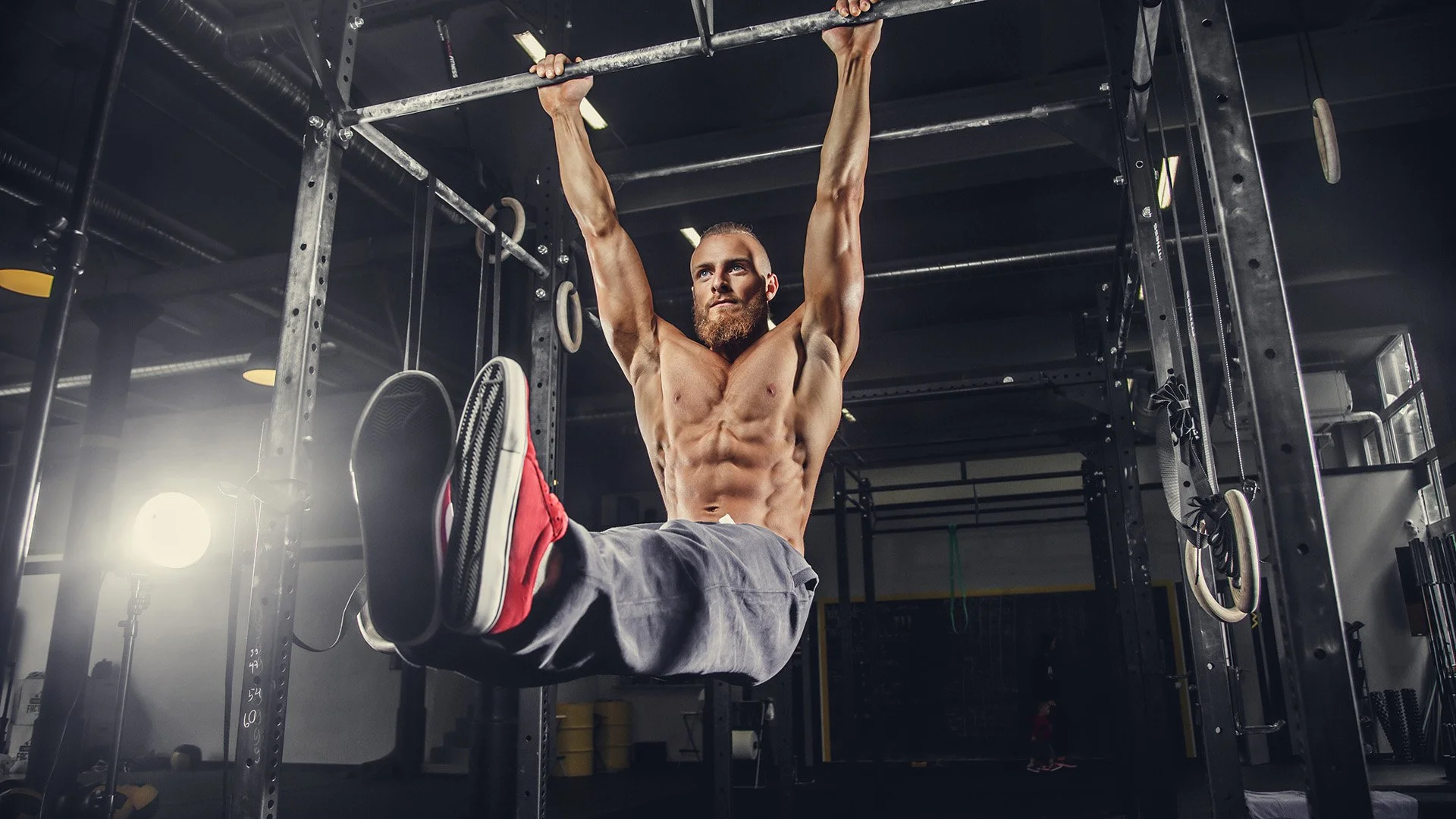
Why Does Your Shoulder Hurt During Wall Balls?
High-volume overhead movements like wall balls or strict presses can fatigue your rotator cuff.
When these small stabilizer muscles tire out, the larger muscles take over. This leads to poor mechanics and potential impingement.
The Hidden Cause Is Often Stiffness
Many of our Culver City patients work at desks during the day. This often leads to a stiff thoracic spine (upper back).
If your upper back cannot extend, your shoulder blade cannot move freely.
To get the ball overhead, your shoulder joint has to over-work. This pinches the tissues in the space under your collarbone. We use thoracic extension and rotation exercises to restore movement to your mid-back. Our shoulder pain treatment addresses both the shoulder joint and the mid, back mobility that supports it.
We use thoracic extension and rotation exercises to restore movement to your mid-back.
When your thoracic spine moves freely, your shoulder doesn't have to compensate.
Do You Need to Stop Training?
The answer is usually no.
One of the biggest misconceptions about physical therapy is that we'll force you to stop all activity.
In reality, complete rest is rarely the best evidence-based answer for overuse injuries.
The Traffic Light System for Pain
The answer is usually no.
One of the biggest misconceptions about physical therapy is that we will force you to stop all activity.
In reality, complete rest is rarely the best evidence-based answer for overuse injuries.
The Traffic Light System for Pain
We teach our athletes to categorize their pain to make smart training decisions.
Green Light, Safe: Pain is 0-2 out of 10. Discomfort doesn't increase during the workout. No stiffness the next morning. You can continue training.
Yellow Light, Caution: Pain is 3-5 out of 10. Discomfort settles down quickly after the set. Modify the movement by lowering weight or reps.
Red Light, Stop: Pain is over 6 out of 10. Pain alters your form or makes you limp. Pain persists into the next day. Stop and consult a professional.
How Can You Support Your Recovery?
Prioritize Sleep
Sleep is when your body repairs the micro-trauma caused by training.
Research indicates that chronic sleep loss of less than 8 hours is significantly associated with increased injury risk in athletes.
Manage Your Workload Ratio
Spiking your volume too fast is a primary cause of injury.
Research suggests keeping your Acute load (this week) within 1.3x of your Chronic load (average of last 4 weeks) to keep injury risk low.
Don't Skip Strength for Cardio
As race day gets closer, it is tempting to drop heavy weights to run more.
However, resistance training increases the stiffness and resilience of your tendons. This makes them more resistant to the high-impact forces of running.
Real Results in Culver City
Will M came to us with a lingering calf injury while training for a marathon.
He was unsure if he'd even make it to the start line.
"CJ and the Victory Performance team were instrumental in helping me recover from a lingering calf injury and get marathon ready. When I started treatment, I was unsure if I'd even make it to the start line. CJ created a plan that not only addressed my pain but focused on long, term strength and mobility to improve my performance overall." — Will M
Will made it to race day feeling strong and pain free.
This is what happens when you address the root cause instead of just managing symptoms.
Ready to Perform at Your Best?
Don't let nagging injuries keep you from seeing what you're capable of.
Whether you're training for Hyrox, a marathon, or just want to stay active in the gym, our Doctors of Physical Therapy are ready to support your goals.
We don't just treat the pain. We look at your running gait, your lifting mechanics, and your programming to find the root cause.
Whether you're hitting the gym after work or training for weekend races, your body needs to handle both the explosive demands of hybrid training and your active Culver City lifestyle , running the Ballona Creek path, lifting at local gyms, or keeping up with your fitness community.
Schedule Your Evaluation in Culver City
Call: 424-543-4336
