
Rotator Cuff Tear or Something Else? 5 Common Causes of Shoulder Pain We See in Culver City
Shoulder pain has a way of creating instant fear. For many Culver City adults, the first thought is: Do I have a rotator cuff tear? Do I need surgery?
But in our experience at Victory Performance and Physical Therapy, that question often misses the bigger picture.
Instead of jumping straight to Is it torn?, we ask:
What movement issue led to this pain in the first place — and what’s still driving it now?
Because more often than not, the true cause of shoulder pain isn’t something that shows up clearly on a scan. It’s how your body moves — or doesn’t move — that creates pain, stiffness, and breakdown over time.
In this post, we’ll walk through five of the most common causes of shoulder pain we see in our Culver City clinic that have nothing to do with a torn rotator cuff — and everything to do with how your body is functioning.
We’ll also help you understand when a tear might actually be the problem, and how to know what to do next.
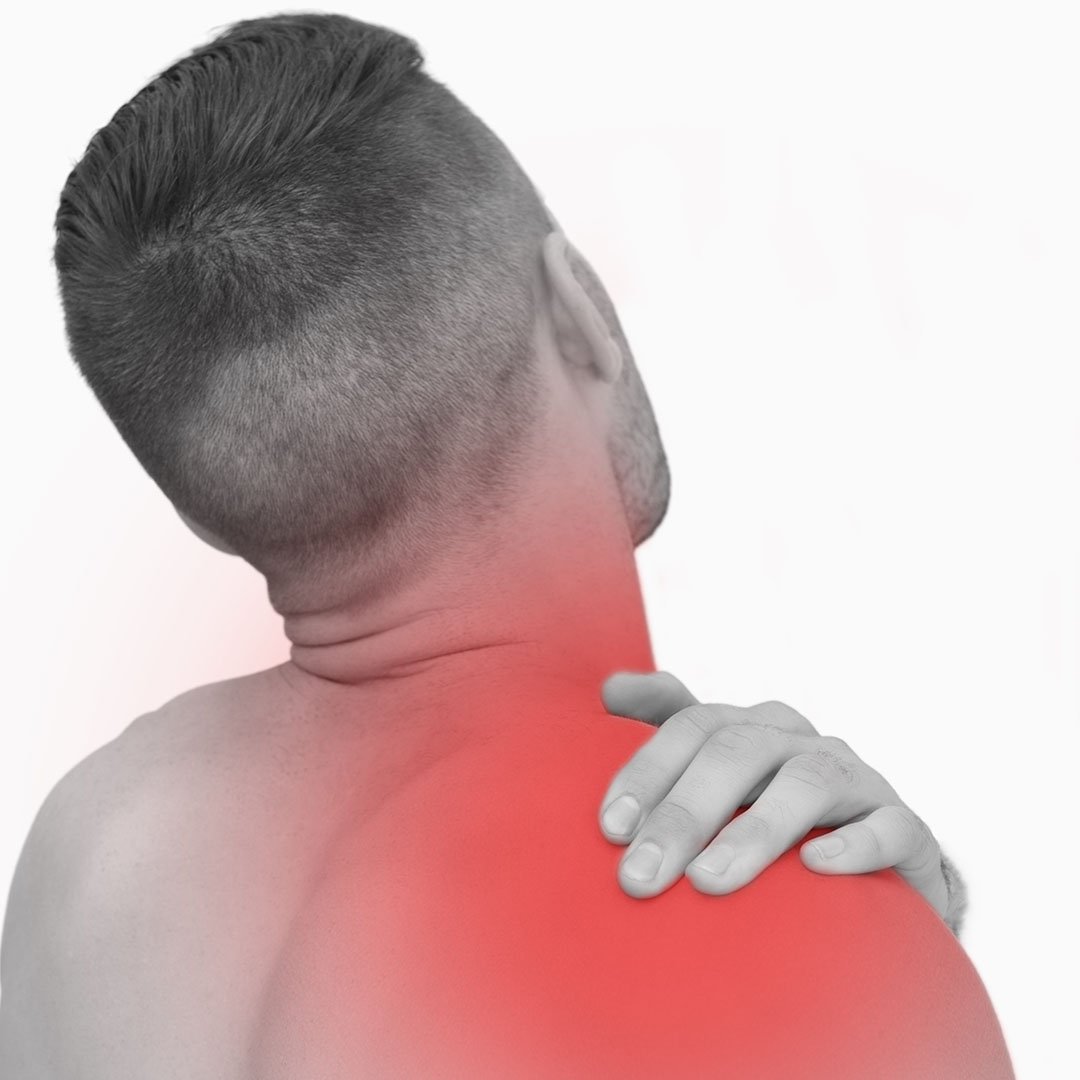
1. Thoracic Spine Stiffness
You can think of your upper back (thoracic spine) as the foundation your shoulder sits on. If that area is rigid and immobile, your shoulder has to work overtime — often in unhealthy ways — to compensate.
This is one of the most overlooked causes of shoulder pain. Without good thoracic extension and rotation, your glenohumeral joint (the shoulder itself) becomes the victim of poor movement strategy.
Clinical Note: We often find that people who work at desks all day have significant stiffness in the thoracic spine — especially if they sit in a slouched position. This limitation forces excessive elevation and strain during overhead activities.
2. Poor Scapular Control
The scapula (shoulder blade) is a mobile base for the shoulder. It glides, rotates, and adjusts to position the ball-and-socket joint during movement.
But if your scapular stabilizers (especially serratus anterior, mid/lower trap, and rhomboids) aren’t doing their job, the shoulder loses that stable foundation.
Research Insight: Scapular-focused rehab and rotator cuff strengthening significantly improve pain and function in non-traumatic shoulder conditions (Ratcliffe et al., 2020, JOSPT).
3. Rotator Cuff Weakness or Fatigue
This is different from a tear.
Most shoulder issues aren’t full-thickness tears. They’re movement breakdowns caused by weakness or delayed activation of the rotator cuff, especially during overhead or reaching movements.
You may not need surgery. You may just need smart loading, strengthening, and motor control retraining.
Clinical Note: We see this all the time in recreational athletes, new parents (holding and lifting kids), and weekend warriors. Pain often starts subtly — but builds when the cuff can’t handle repeated demand.
4. Biceps Tendon Irritation
Pain in the front of your shoulder? Especially when reaching forward or rotating your arm?
That could be biceps tendinopathy — a common overuse issue, especially when the rotator cuff and scapula aren’t functioning optimally. It’s also common after starting new gym routines or with heavy pressing overhead.
5. Cervical Spine Contribution
Yes, neck issues can refer pain into the shoulder — and vice versa. The nerves that supply the shoulder region originate in the neck. If there’s compression, stiffness, or poor segmental control in the cervical spine, the shoulder often pays the price.
Clinical Note: We regularly treat shoulder pain that doesn’t fully resolve until the neck is mobilized or stabilized properly. This is especially true in people with chronic postural strain or previous neck injuries.

These 5 Culprits Are Just the Beginning
Understanding these five common patterns is only the start. To truly solve your shoulder pain, you need a plan that connects the dots — from movement mechanics to strength to mobility. We’ve outlined the complete framework in our step-by-step Culver City guide.
👉 Read the Full Guide to Shoulder Pain Physical Therapy in Culver City
Discover how we diagnose, treat, and rebuild shoulders using a modern approach rooted in movement, not just MRI results.
When a Rotator Cuff Tear Is the Problem
Let’s be clear. Sometimes a full-thickness rotator cuff tear is the primary issue. These often come with significant weakness, limited motion, and visible muscle wasting. In cases like these, surgery might be appropriate — and we will never hesitate to refer out when it’s warranted.
But here’s what most people don’t realize:
Even when surgery is necessary, physical therapy still plays a critical role.
Starting with pre-hab (physical therapy before surgery) helps you go into surgery stronger, which can speed up your recovery and improve the outcome. And afterward, expert post-op rehab is essential to restore strength, mobility, and function — without developing new compensations.
At Victory, we’re not here to sell you on skipping surgery. We’re here to help you make the best decision and support your recovery every step of the way.
The Victory PT Method
Whether your issue is related to the rotator cuff or not, the most important thing is getting a movement-based diagnosis — not just a label from imaging.
At Victory, we focus on:
Detailed Movement Evaluation: We assess shoulder mechanics, scapular function, thoracic and cervical mobility, and muscle coordination — not just symptoms.
Hands-On Treatment: Manual therapy and soft tissue work to reduce pain and restore mobility.
Targeted Strengthening: A progressive, customized loading plan to build durability without aggravation.
Collaborative Care: We’re happy to work with your orthopedic surgeon, PCP, or other specialists to ensure a complete picture of your shoulder health.
Research Insight: Manual therapy combined with exercise results in greater improvement than exercise alone for shoulder impingement (Desmeules et al., 2015, Archives of Physical Medicine and Rehabilitation).
Research Insight: Progressive loading is essential for tendon healing and remodeling, including in rotator cuff tendinopathy (Cook & Purdam, 2009, British Journal of Sports Medicine).
Real Results From Real People in Culver City
⭐⭐⭐⭐⭐
“I was told by another provider that I might need surgery, but after just a few sessions at Victory, my shoulder pain was completely gone. They actually watched how I moved and explained why it was happening. I went from barely able to lift my arm to pressing overhead again.”
— C.K., Culver City resident and recreational lifter
⭐⭐⭐⭐⭐
“After dealing with shoulder pain for months, I saw the team at Victory. They focused on my neck and upper back too, not just my shoulder. I had no idea how connected it all was. It’s been a game-changer.”
— Maria T., Culver City marketing executive
Ready for Real Answers?
Stop guessing whether it’s a tear or something else. Our team specializes in helping Culver City adults understand the true cause of their shoulder pain — and fix it.
