
When Should You See a Physical Therapist (Most People Wait Too Long)
Here’s something we see almost every week at Victory Performance and Physical Therapy in Culver City. Someone comes in with pain that started months ago, sometimes longer. They rested. They iced it. They Googled exercises and tried a few things. When none of that worked, they finally scheduled an appointment.
And almost every time, they say the same thing: “I wish I had come in sooner.”
If you’re wondering whether your pain is “bad enough” for physical therapy, the answer is almost always yes, and the sooner you start, the better your outcome is likely to be.
How Do You Know When It’s Time to See a Physical Therapist?
You don’t need to be in severe pain to benefit from physical therapy. In fact, the people who get the best results are often the ones who come in early, before a minor issue becomes a major one.
Here are the most common signs that it’s time to schedule an evaluation:
Pain that lasts longer than a week or two. Acute muscle soreness from a hard workout should resolve within a few days. If something hurts for more than a week, especially if it’s not improving, that’s your body telling you something isn’t right.
Pain that goes away and comes back. This is the pattern most active adults in Culver City ignore for the longest. Your knee hurts after your Saturday run, feels fine by Tuesday, then hurts again the following weekend. That recurring cycle means the underlying issue isn’t resolving on its own. Rest is managing the symptom, but the cause is still there.
Pain that “warms up” but doesn’t fully go away. Runners and gym-goers know this one well. The first mile or the first few reps hurt, then you loosen up and feel okay. That warmup pattern is a sign of early-stage tissue stress, not something that’s fine to push through indefinitely.
Stiffness that limits your movement. If you can’t turn your head fully, touch your toes, or reach overhead without discomfort, something is restricting your movement. Stiffness is your body’s way of protecting an area that doesn’t feel stable or safe.
An activity you had to stop doing. This is a big one. If pain has taken away something you enjoy, running, lifting, playing with your kids, hiking, your weekend pickup basketball game, that’s a quality-of-life issue worth addressing.
Something that doesn’t feel “right” even if it doesn’t hurt much. A shoulder that clicks. A knee that feels unstable. A hip that catches when you stand up from a chair. These aren’t normal, and they’re worth getting evaluated before they become painful.
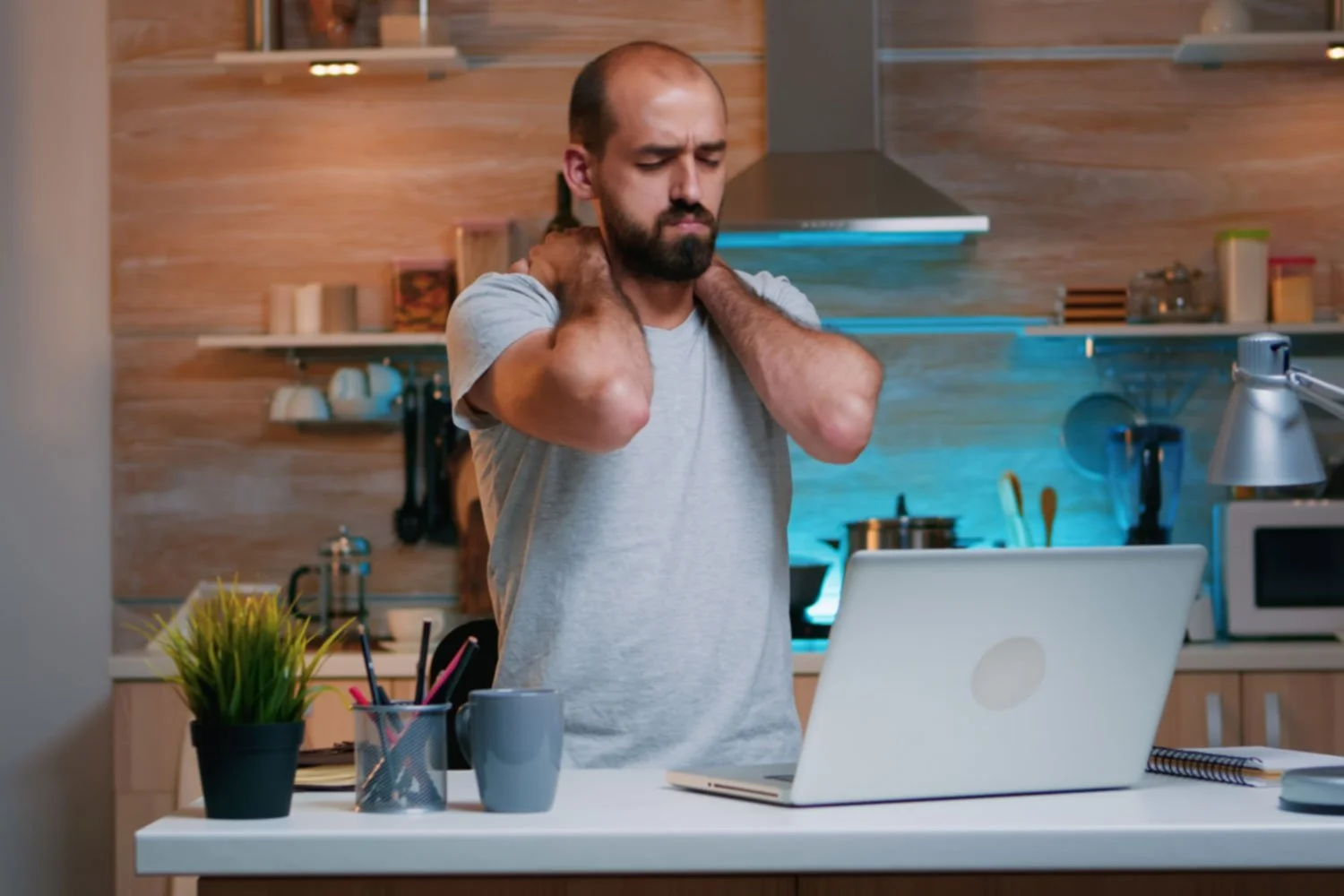
Why Waiting Makes Things Worse
There’s a natural tendency to wait and see if pain resolves on its own. And for simple acute issues, like a mild muscle strain from a single event, that approach sometimes works. But for most musculoskeletal problems, especially in active adults, waiting has real consequences.
Your body compensates. When something hurts, you move differently to avoid the pain. You shift weight to the other leg. You stop using your shoulder overhead. You change your running stride. These compensations happen automatically, and over time they create new problems in other areas. The longer you wait, the more compensations your body builds, and the more work it takes to unwind them.
Tissues continue to change. A tendon that’s been overloaded doesn’t just stay the same if you rest it. It can continue to degenerate if the loading pattern that caused the problem isn’t corrected. Research shows that early, appropriate loading through physical therapy produces better tissue healing than prolonged rest for many common conditions.
It becomes harder to treat. A problem that might have taken four visits to address at week two could take twelve visits by month six. The research supports this directly. A large study of over 750,000 patients found that those who received physical therapy within 14 days of their initial visit had significantly reduced use of imaging, injections, surgery, and opioid medications, and their total healthcare costs were 60% lower over two years compared to those who delayed treatment. (Childs et al., 2015, BMC Health Services Research)
Anna S. knows this firsthand. She was bounced between multiple providers for a running injury before finding Victory:
“After being bounced around between other PTs and doctors for a running injury, I finally found Victory. The staff here is truly exceptional, and the exercises Jared, my physical therapist, gave me made a huge difference in getting me to the start (and finish!) of the London Marathon.”
Noticing something that doesn’t feel right? Don’t wait for it to get worse. Our team at Victory Performance and Physical Therapy in Culver City can evaluate what’s going on and give you a clear plan.
What Happens at Your First Physical Therapy Visit?
If you’ve never been to physical therapy, or if your past experience was a room full of people doing the same exercises with minimal supervision, here’s what to expect at Victory.
A one-on-one evaluation. Your physical therapist spends time with you. We ask about your pain history, your activities, your goals, and what you’ve already tried. This isn’t a 5-minute screen followed by a generic exercise handout.
A movement assessment. We watch how you move. Squatting, bending, reaching, walking: the specific movements depend on your issue. We’re looking at the full picture: joint mobility, muscle strength, stability, and coordination. Pain in the knee often traces back to the hip. Low back pain frequently connects to core and glute weakness. We find the root cause, not just the symptom.
A hands-on examination. Joint mobility testing, palpation, and specific clinical tests help us pinpoint exactly what structures are involved and what’s driving your pain.
A clear plan. By the end of your first visit, you’ll know what’s going on, why it’s happening, and what the plan is to address it. No vague “come back three times a week for twelve weeks.” You’ll understand the rationale behind every part of your treatment.
Darragh M. described this experience:
“Julia was awesome. Very knowledgeable and kind. Helped me figure out what was going on with my ankle and make a plan to get running again.”
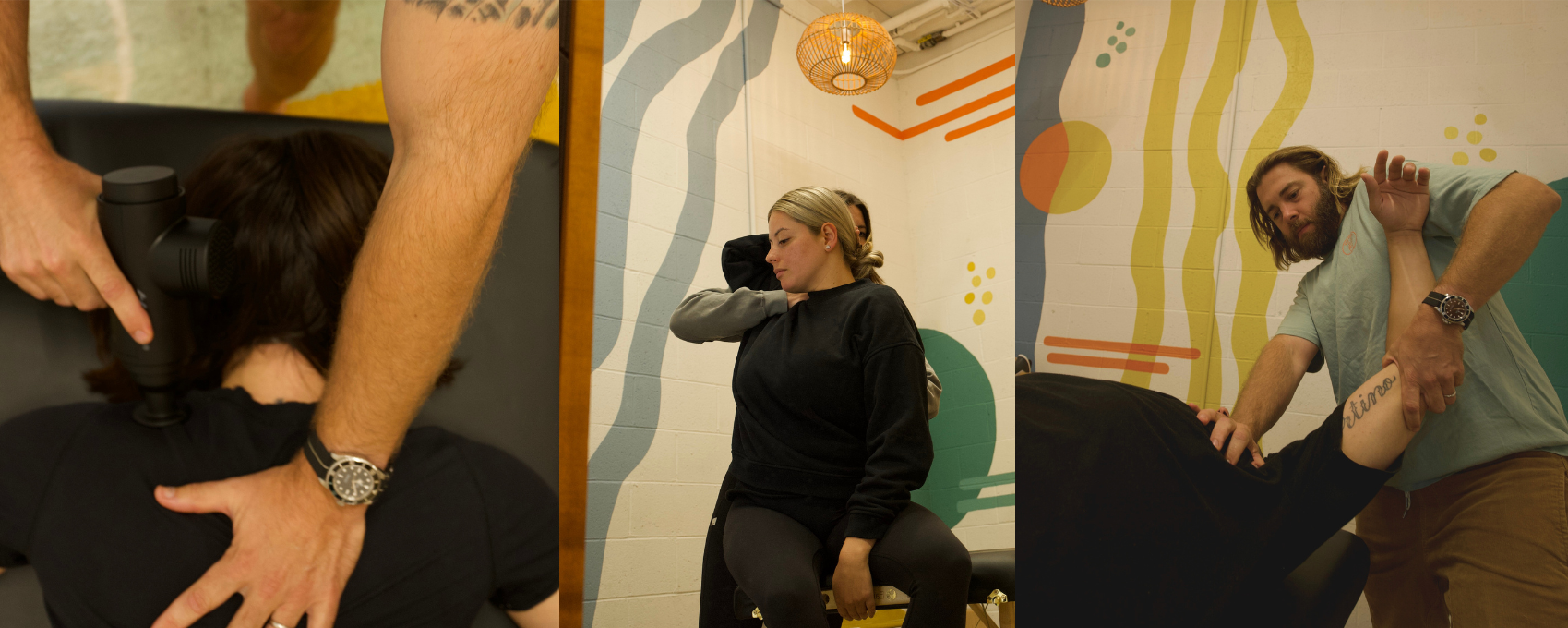
What Are the Most Common Reasons People See a Physical Therapist?
Physical therapy isn’t just for post-surgical rehab or catastrophic injuries. Here’s what most of our patients at Victory are actually coming in for:
Low back pain: the single most common reason adults seek physical therapy. Whether it’s from sitting at a desk all day, picking something up wrong, or training too hard, low back pain responds well to targeted strengthening and manual therapy.
Knee pain: runner’s knee, patellar tendinopathy (tendon degeneration from overuse), IT band issues, and general knee pain from squatting and lunging. These are almost always driven by hip weakness and poor movement mechanics, not structural damage in the knee itself.
Shoulder pain: impingement, rotator cuff issues, and general shoulder tightness. Desk workers and overhead athletes are especially susceptible. The shoulder depends on muscular stability more than almost any other joint in the body.
Neck pain and headaches: especially common among people who work at computers. Forward head posture, weak deep neck flexors, and thoracic spine stiffness all contribute.
Running injuries:shin splints, plantar fasciitis, Achilles tendinopathy, and hip pain from training. Culver City runners training along Ballona Creek Trail or preparing for the LA Marathon make up a significant portion of our caseload.
Recurring pain after “recovering” from an injury: you felt better, went back to your activity, and the pain returned. This usually means the original issue wasn’t fully resolved or your rehab didn’t progress far enough.
Research Supports Starting Physical Therapy Early
A 2016 systematic review in the Journal of Orthopaedic & Sports Physical Therapy examined the research on early versus delayed physical therapy for musculoskeletal conditions. The findings consistently supported early initiation of PT. Patients who started sooner had better pain outcomes, better functional outcomes, and lower overall healthcare costs. The review also found that early physical therapy may reduce the risk of developing chronic pain and long-term disability. (Horn et al., 2016, JOSPT)
The bottom line is straightforward: if something hurts and it’s not getting better on its own, the sooner you see a physical therapist, the better your chances of a full and efficient recovery.
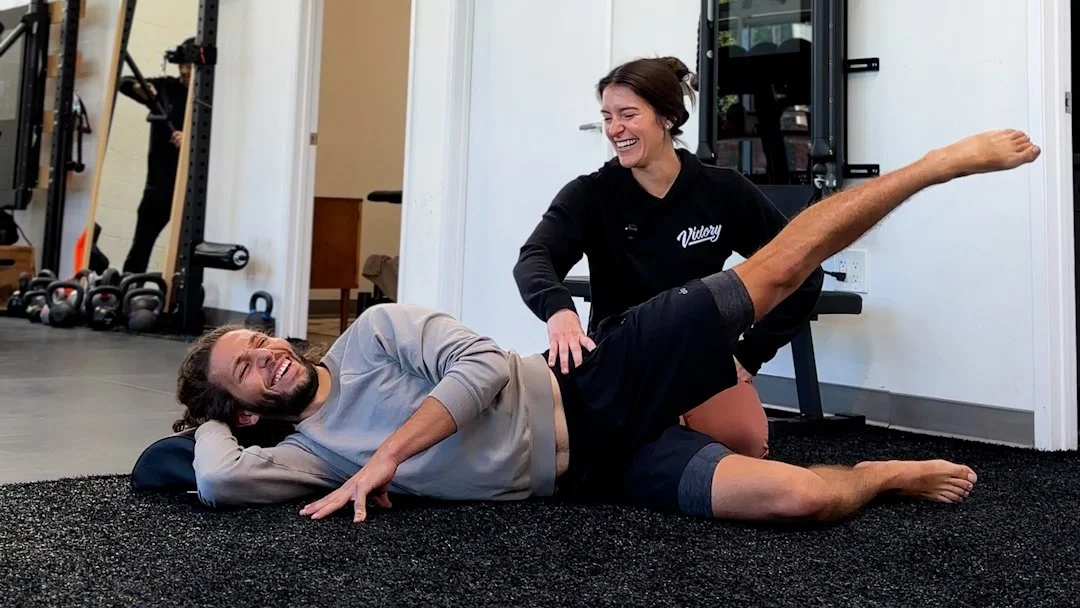
Stop Waiting and Start Moving Better
If you’ve been telling yourself it’s “not bad enough” or hoping it’ll go away on its own, consider this your sign to take action. The longer you wait, the more your body compensates, and the longer recovery takes when you finally do get help.
At Victory Performance and Physical Therapy in Culver City, we help active adults get ahead of their pain, not just react to it. Whether you’re a runner, a lifter, a weekend athlete, or someone who just wants to move without pain through their daily life, we can help.
You don’t need a referral. You just need to make the call.
