
How to Train for LA Marathon's Hills Using Culver City Routes Without Getting Injured
The LA Marathon course is not flat. First-time marathoners often assume that because the race finishes near sea level after starting at Dodger Stadium, the whole thing must be downhill. That's not how it works.
You'll climb out of Dodger Stadium in the first mile. You'll hit the Chinatown grade around mile 3. You'll have rolling hills through Hollywood and West Hollywood. And then, yes, you'll have a net downhill for much of the second half as you head toward Century City. But by then, your legs will already be tired from 15+ miles of running, and downhill running on tired legs is where knees get destroyed.
If you live in Culver City, you have everything you need to prepare for the LA Marathon course. Baldwin Hills Scenic Overlook, Kenneth Hahn Park, and various routes through the Westside give you access to the exact kind of training your body needs. The runners who show up unprepared for the course demands are the ones who struggle or get injured. The ones who train specifically for what the race will throw at them are the ones who finish strong.
At Victory Performance and Physical Therapy in Culver City, we work with local runners every year to prepare for the LA Marathon. The runners who succeed are the ones who respect the course, train intelligently, and address problems before they become injuries.
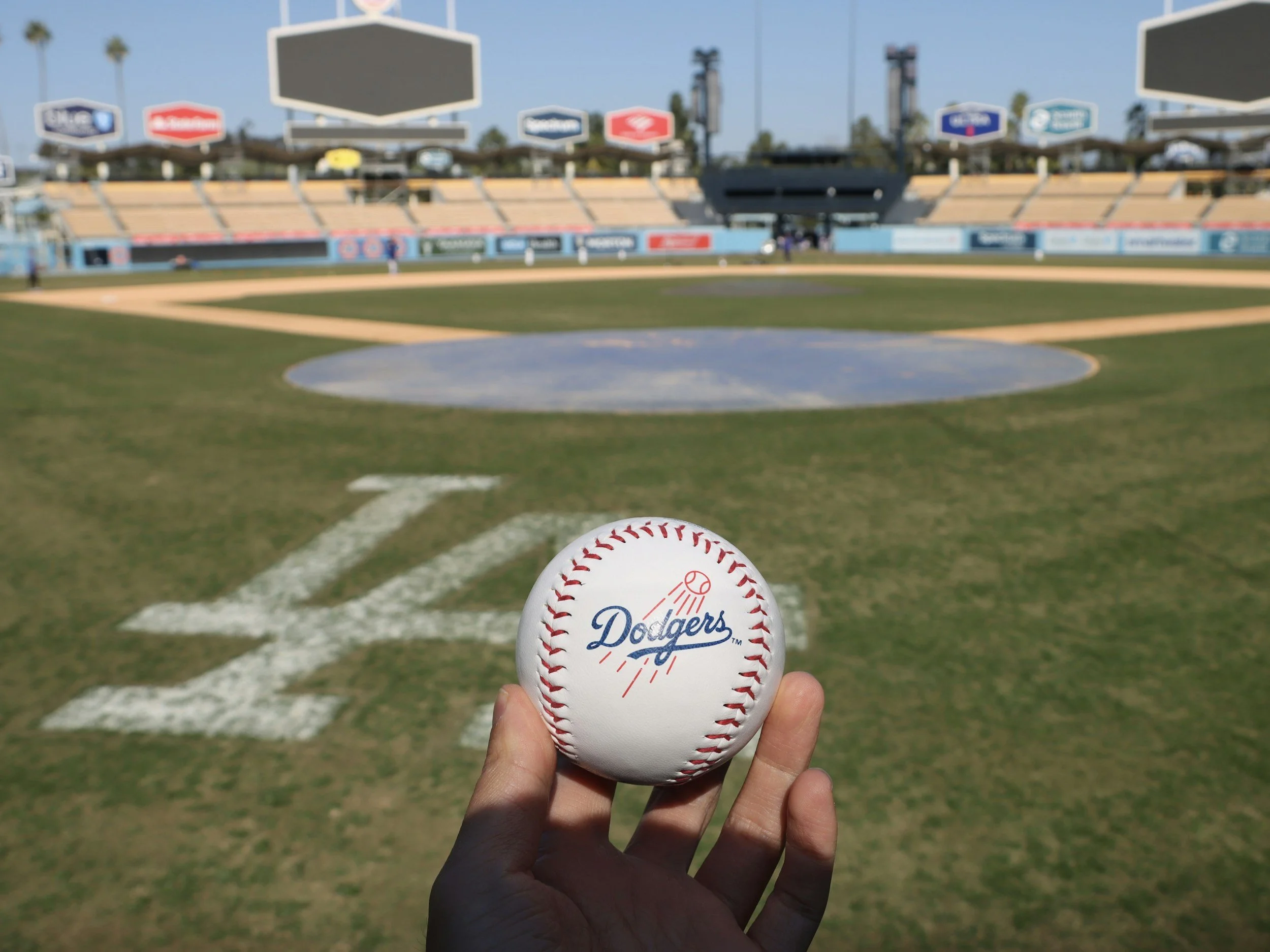
Breaking Down the LA Marathon Course
The 2026 race starts at Dodger Stadium and finishes on Avenue of the Stars in Century City. The course has changed from previous years, so if you've run it before, don't assume you know what to expect.
The early miles include an immediate climb out of the stadium. This isn't a huge hill, but it comes in the first mile when your legs are fresh and you're dealing with race-day adrenaline. Many runners go out too fast here and pay for it later.
The course winds through downtown, hitting Chinatown around mile 3 with another notable climb. Then you're into the rolling terrain through Echo Park, Silver Lake, and Hollywood. This section has constant small ups and downs. Nothing is brutal by itself, but the cumulative effect of these rollers adds up.
By the time you hit West Hollywood and Beverly Hills, you're dealing with sustained sections that aren't quite flat. Many runners don't notice how much these gradual inclines affect their pace until they check their watch and realize they've slowed down more than they meant to.
The back half has more downhill, especially as you head through Brentwood toward Century City. This is where undertrained quads start to fail. Downhill running requires eccentric muscle strength, endurance and control, meaning your quads have to lengthen under load with every step to control your descent. If you haven't trained for this specific demand, your legs will be screaming by mile 20.
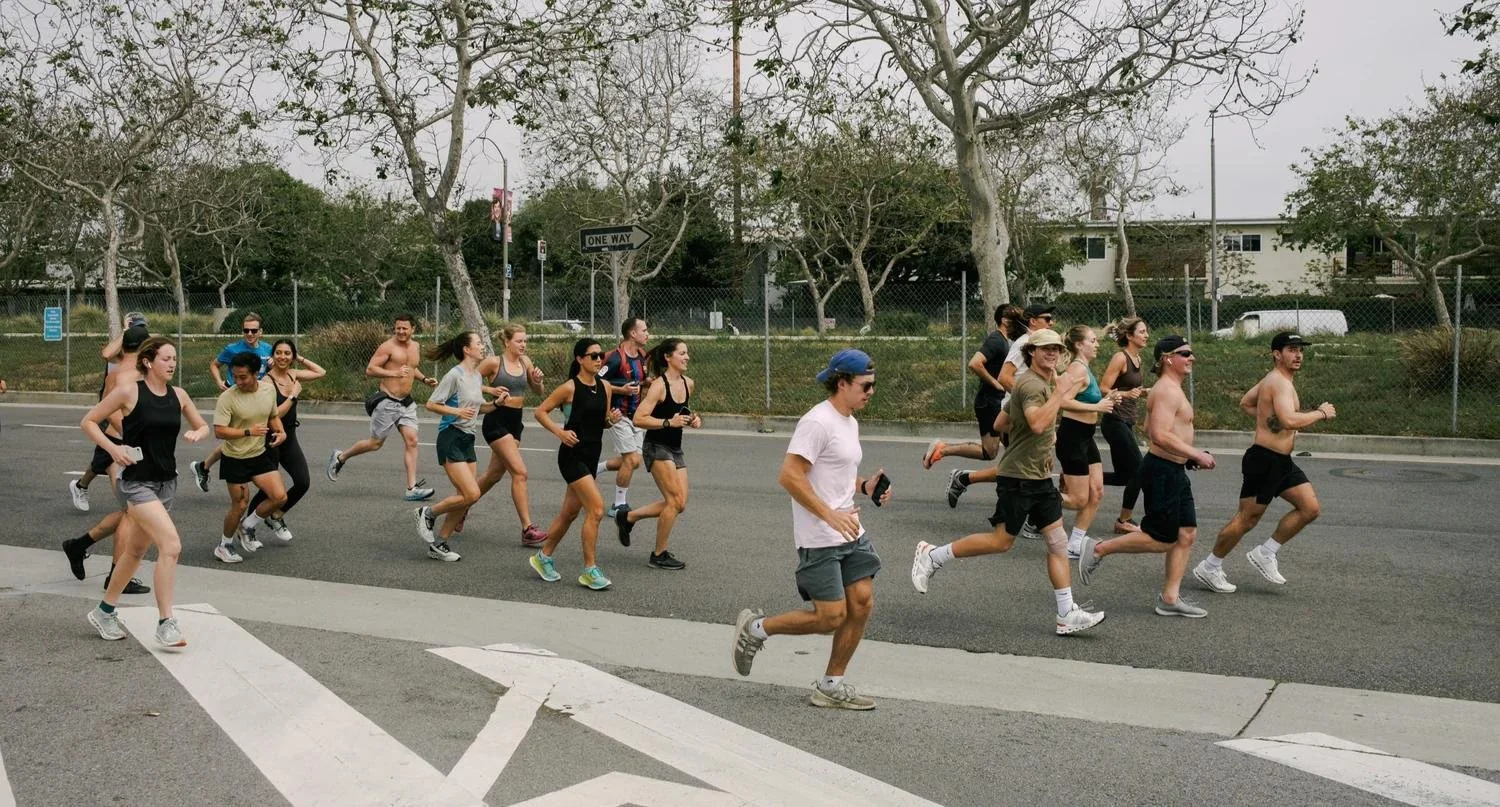
Why Culver City Runners Have a Training Advantage
Culver City and the surrounding Westside give you access to terrain that perfectly mimics what you'll face on race day. You don't need to travel to find good training routes. You just need to know where to go and how to use them.
Baldwin Hills Scenic Overlook
This is your secret weapon for LA Marathon preparation. The Overlook gives you sustained climbing and, more importantly, sustained downhill running. The stairs are great for building power, but the road that winds up the hill is even better for marathon-specific training.
Run repeats up the hill to build your climbing strength. This prepares you for the early miles of the marathon when you'll be dealing with the Dodger Stadium climb and the Chinatown grade. Start with 4 to 6 repeats of the climb, jogging easily back down for recovery.
But here's what most people miss: You also need to practice running down. On your last repeat, instead of jogging down, run at a controlled pace down the hill. This teaches your quads to handle the eccentric loading you'll experience in the second half of the marathon.
Do this once per week during your build phase. As you get closer to race day, cut back to once every other week to avoid overloading your legs when your mileage is at its highest.
Kenneth Hahn Park
The park's rolling terrain gives you exactly the kind of varied running you'll see in the middle miles of the marathon. The hills aren't massive, but they're constant. This teaches your body to handle continuous undulation without blowing up.
Use Kenneth Hahn for your easy run days when you want something more interesting than flat roads but you're not trying to hammer a hard workout. The softer surface is also easier on your joints than concrete, which gives you a recovery benefit while still getting a good training stimulus.
The park is also perfect for progression runs where you start easy and gradually increase your pace. The hills force you to run by effort rather than by pace, which is a valuable skill for marathon day when you'll need to adjust your effort based on terrain.
San Vicente Boulevard
The tree-lined median on San Vicente Boulevard in Brentwood is one of the most popular running routes in Los Angeles for good reason. It's beautiful, it's safer than running in the street, and the surface is relatively forgiving.
This is where you can do your tempo runs and long runs. The terrain has a slight, constant grade that goes up and down depending on which direction you're running. This mimics the rolling sections of the marathon course through Hollywood and West Hollywood.
The grass and dirt surface on the median is softer than concrete, which reduces impact stress. But it's firm enough that you're not dealing with the instability of a trail. This makes it ideal for marathon-pace work where you want to practice race effort without destroying your legs.
Plan your route so you're running more of the uphill sections on your outbound leg when you're fresh, and more of the downhill on your return when you're tired. This simulates how you'll encounter the course on race day.
The Ballona Creek Path
This is your go-to for flat, uninterrupted running. Use it for easy days, recovery runs, and when you need to get your legs turning over without the challenge of hills.
The path is also good for long runs where you want to practice sustained effort at a steady pace without having to think about traffic or terrain. You can zone out and just run, which is valuable for building the mental endurance you need for 26.2 miles.
But don't do all your training here. Flat running won't prepare you for the LA Marathon course. Use the Ballona Creek path strategically, not exclusively.
Hill Running Technique That Protects Your Knees
Running hills incorrectly is how people get injured. Running hills correctly is how you build strength and resilience. The difference comes down to technique.
Uphill Running Form
When you run uphill, shorten your stride and increase your cadence. You should be taking quicker, shorter steps rather than long, powerful strides. This keeps your effort aerobic instead of turning it into a maximal sprint.
Lean slightly into the hill from your ankles, not from your waist. Your body should form a straight line that tilts forward as a unit. Don't fold at your hips, which puts stress on your lower back and makes it harder for your glutes to work.
Drive your arms more deliberately when climbing. Your arms help power you up the hill. Keep your elbows bent at 90 degrees and pump your arms from shoulder to hip, not across your body.
Look ahead, not down. Your head position affects your posture. If you're looking at your feet, your body collapses forward. Pick a spot 10 to 15 feet ahead and focus on that.
Downhill Running Form
This is where most people get it wrong, and it's why so many marathon runners have destroyed quads by mile 20.
Do not overstride. The biggest mistake runners make going downhill is reaching forward with their feet and using long strides. This creates massive impact forces that your quads have to absorb. Instead, keep your feet landing under your body with quick, short strides.
Increase your cadence. Aim for 180+ steps per minute when running downhill. This forces you to take shorter strides, which protects your joints and muscles.
Stay upright. Many runners lean back when going downhill because they're afraid of going too fast. This makes your quads work even harder. Instead, maintain a slight forward lean from your ankles and let your legs cycle underneath you.
Don't brake. Your quads are already working eccentrically to control your descent. If you actively try to slow yourself down by landing on your heels, you're creating even more stress. Let your natural cadence control your speed instead of fighting against gravity.
Training for the LA Marathon and dealing with pain during your hill workouts? Victory Performance and Physical Therapy in Culver City can assess your running mechanics and help you train smarter for race day. Call us: 424-543-4336

Common Hill Training Mistakes That Cause Injuries
The hills themselves don't cause injuries. How you train on hills causes running injuries.
Doing Too Much Hill Work Too Soon
If you've been running mostly flat routes and you suddenly start doing weekly hill repeats at Baldwin Hills, you're asking for trouble. Your body needs time to adapt to the increased demands of hill running.
Start with small doses. Add one hill workout every 10 to 14 days for the first month. Let your body adapt to this stimulus before you increase frequency or volume. By your peak training weeks, you can do hill-specific work once per week, but building to that point gradually is essential.
Running Hard on Both the Up and Down
Many runners treat downhill running as recovery between uphill repeats. They fly down the hill at whatever pace gravity gives them. This is how you overload your quads and end up with knee pain.
If you're doing hill repeats, jog slowly down for recovery. Save controlled downhill running for separate sessions where that's your specific focus. Don't try to do everything in one workout.
Ignoring Early Warning Signs
That little tweak in your Achilles when you push off going uphill. The slight knee discomfort you feel running downhill that goes away when you get to flat ground. These are signals that something in your movement system is being overloaded.
Don't ignore these signals. They're your body telling you that you need to adjust something. This might mean cutting back on hill volume, addressing a strength deficit, or changing your technique. If you keep training through early warning signs, they usually turn into injuries that force you to stop running.
Building a Hill Training Progression
If you're 8 weeks out from the LA Marathon and you haven't done much hill training, you still have time to prepare your body. But you need a plan.
Weeks 8-6 Before Race
Introduce hills gradually with one session per week at Baldwin Hills. Do 4 to 6 uphill repeats with slow jogging recovery. Focus on good form. On your last repeat, practice controlled downhill running at marathon effort.
On one other run during the week, incorporate the rolling terrain at Kenneth Hahn Park or San Vicente Boulevard. Let this be an easy or moderate effort. The goal is exposure to hills, not crushing yourself.
Weeks 5-3 Before Race
Increase your hill work slightly. Do 6 to 8 repeats at Baldwin Hills, maintaining good form throughout. Add a second run with rolling terrain, possibly making this a tempo effort on San Vicente Boulevard.
Practice downhill running more specifically. This might mean running controlled repeats down the Baldwin Hills road, or it might mean doing the second half of a long run on terrain that has sustained downhill sections.
Weeks 2-1 Before Race
Taper your hill work along with everything else. One session at Baldwin Hills with 4 to 5 repeats, keeping effort moderate. You're maintaining the neural patterns and movement skills, not building new fitness.
Your long run can still include rolling terrain, but keep effort easy. The goal is to arrive at race day with legs that are rested but still remember how to handle hills.
What to Do If You're Already Dealing with Pain
If hill training is causing or aggravating pain, you need to address it now. Eight weeks is enough time to fix most issues if you take them seriously.
First, back off the hill volume. Cut your hill repeats in half and see if the pain improves. Sometimes the solution is as simple as reducing the training stimulus while your body adapts.
Second, look at your technique. Record yourself running uphill and downhill. Are you overstriding? Are you leaning back? Is your cadence dropping? These technical flaws create the mechanical stress that leads to pain.
Third, add specific strengthening. Weak glutes are the most common reason runners have trouble with hills. Single-leg exercises that challenge balance and stability will help. Eccentric quad exercises prepare your legs for downhill running.
If pain persists despite these changes, get professional help. At Victory Performance and Physical Therapy, we assess your running mechanics, identify the movement patterns causing your pain, and create a plan to fix them while keeping you training.
Many runners wait until they're forced to stop completely. But if you address problems early, we can usually keep you training with modifications while we fix the underlying issue. This is the difference between showing up to race day healthy and showing up injured.
The LA Marathon Course Rewards Preparation
The runners who struggle on race day are usually the ones who ignored the course profile and trained like it was flat. They show up unprepared for the early climbs and then their quads fail in the downhill sections.
The runners who finish strong are the ones who respected the demands of the course and trained specifically for them. They practiced climbing. They practiced downhill running. They used Culver City's terrain to prepare their bodies for exactly what they'd face on race day.
You have access to everything you need. Baldwin Hills for sustained climbing and downhill training. Kenneth Hahn for rolling terrain. San Vicente for tempo work on gradual grades. Ballona Creek for flat running when your legs need a break from hills.
Use these resources intelligently. Follow a progression that builds your strength gradually. Pay attention to technique. Address problems early before they become injuries.
The LA Marathon is tough enough without showing up unprepared. Train smart, use your local routes strategically, and give yourself the best chance to run your race.
📅 Schedule Your Running Assessment
📞 Call: 424-543-4336
