
Why Most Shoulder Pain Does Not Need Surgery and What Shockwave Therapy Can Do About It
For a lot of people, persistent shoulder pain comes with a quiet fear underneath it. You assume something must be torn. You picture surgery, a long recovery, months away from the things you enjoy. So you either push through and hope it resolves on its own, or you head straight to an orthopedic surgeon expecting the worst.
At Victory Performance and Physical Therapy in Culver City, we work with people at both ends of that spectrum. What we find most often is that the underlying problem is not a structural tear requiring surgery. It is a tendon condition that responds well to the right combination of physical therapy and, when appropriate, shockwave therapy. Understanding the difference between those two paths matters enormously for your outcome, your time, and your quality of life.
Here is what you need to know about shoulder pain, rotator cuff tendinopathy, and where shockwave therapy fits into treatment.
✅ Key Takeaways
Most shoulder pain in active adults is rotator cuff tendinopathy, not a structural tear, and does not require surgery
Rotator cuff tendinopathy comes in two forms, calcific and non-calcific, and the evidence for shockwave therapy differs between them
A 2024 systematic review and meta-analysis covering 16 randomized controlled trials found ESWT effective for rotator cuff tendinopathy across both types
At Victory PT, our Doctors of Physical Therapy assess the shoulder thoroughly before any treatment begins so the plan addresses what is actually there
No referral needed under California's Direct Access law
What Is Rotator Cuff Tendinopathy?
The rotator cuff is a group of four muscles and their tendons that wrap around the shoulder joint and hold the head of the upper arm bone (humerus) within the shallow socket of the shoulder blade. These tendons are responsible for shoulder stability and control across an enormous range of movement, including overhead reach, rotation, pressing, and pulling.
Rotator cuff tendinopathy refers to a painful, degenerative condition affecting one or more of these tendons, most commonly the supraspinatus tendon that runs along the top of the shoulder. It develops when the tendon is repeatedly overloaded or compressed without adequate recovery, and the tissue breaks down faster than it can repair.
The result is a shoulder that aches with overhead movement, hurts when you reach across your body, wakes you up when you roll onto it at night, or stiffens after sitting at a desk for hours. It can make lifting, swimming, throwing, or pressing exercises feel unreliable or painful.
It is worth being specific here, because there are two distinct presentations:
Non-calcific rotator cuff tendinopathy is the more common form. The tendon tissue becomes degenerated and painful without any calcium deposit involved. This is what most active adults in Culver City are dealing with when shoulder pain develops gradually from training or repetitive use.
Calcific rotator cuff tendinopathy involves calcium deposits forming within the tendon, usually the supraspinatus. This can cause significant acute pain and restricted movement when the calcium is in an active phase. The evidence for shockwave therapy is particularly strong for this presentation, and we will cover that specifically below.

Who Gets Rotator Cuff Tendinopathy
The shoulder is the most mobile joint in the body, which also makes it one of the most load-sensitive. Rotator cuff tendinopathy is remarkably common and shows up across a wide range of activities and lifestyles:
CrossFit athletes doing high volumes of overhead pressing, kipping / butterfly pull-ups, and muscle-ups
Swimmers with repetitive overhead stroke mechanics, particularly freestyle and butterfly
Tennis players and overhead throwing athletes whose shoulder mechanics place sustained load on the cuff
Weightlifters performing bench press, overhead press, or lateral raises through compromised shoulder positioning
Desk workers and remote professionals whose postural loading compresses the supraspinatus over long hours
Active adults over 40 whose tendons have accumulated load over decades of training and daily use
Anyone who has recently increased shoulder training volume without a proportional increase in recovery
One of the reasons rotator cuff tendinopathy is so often misread as something more serious is that the pain can be significant and functionally limiting even when there is no structural tear present. Imaging does not always help either. MRI studies regularly find rotator cuff abnormalities in people with no pain at all. The presence of findings on imaging does not automatically mean surgery is necessary, and this is a conversation our DPTs have with patients at Victory regularly.
Why the Shoulder Is a Complex Problem to Treat
The shoulder does not operate in isolation. It is part of a chain that includes the thoracic spine, the shoulder blade (scapula), the collarbone, and the surrounding musculature. When something in that chain is not working well, such as stiff thoracic rotation, poor scapular control, or weakness in the lower trapezius, the load gets redistributed in ways that overload the rotator cuff tendons.
This is why generic shoulder exercises downloaded from the internet often fail to resolve tendinopathy. They may load the right muscles, but they do not address why the tendon was overloaded in the first place. At Victory, our Doctors of Physical Therapy assess the whole picture before any program begins.
A thorough shoulder evaluation at Victory looks at:
Which specific tendon is involved and how the pain pattern presents
Scapular mechanics and whether the shoulder blade is moving efficiently
Thoracic mobility and how it contributes to shoulder range of motion
Rotator cuff and surrounding muscle strength across relevant movement planes
Whether there is a calcific component based on clinical presentation and history
Training patterns and technique factors that may be contributing to the overload
That assessment shapes everything that follows. Without it, you are treating a pattern, not a person.
How We Treat Rotator Cuff Tendinopathy at Victory
Physical therapy is the foundation of rotator cuff tendinopathy management and the approach with the strongest evidence base for long-term outcomes. At Victory, our treatment typically involves a combination of the following, tailored to what your assessment reveals.
Targeted Rotator Cuff and Scapular Loading
Progressive strengthening of the rotator cuff tendons, particularly the supraspinatus, infraspinatus, and subscapularis, forms the core of the rehabilitation program. We use evidence-based loading protocols that apply the right stimulus to the affected tendon while protecting the shoulder from positions that compress or overload it at the wrong stage of healing.
Scapular stability work runs alongside this. A shoulder blade that is not controlling movement efficiently puts the rotator cuff in a mechanically disadvantaged position throughout every overhead and pressing movement. Addressing this is essential for lasting results.
Manual Therapy
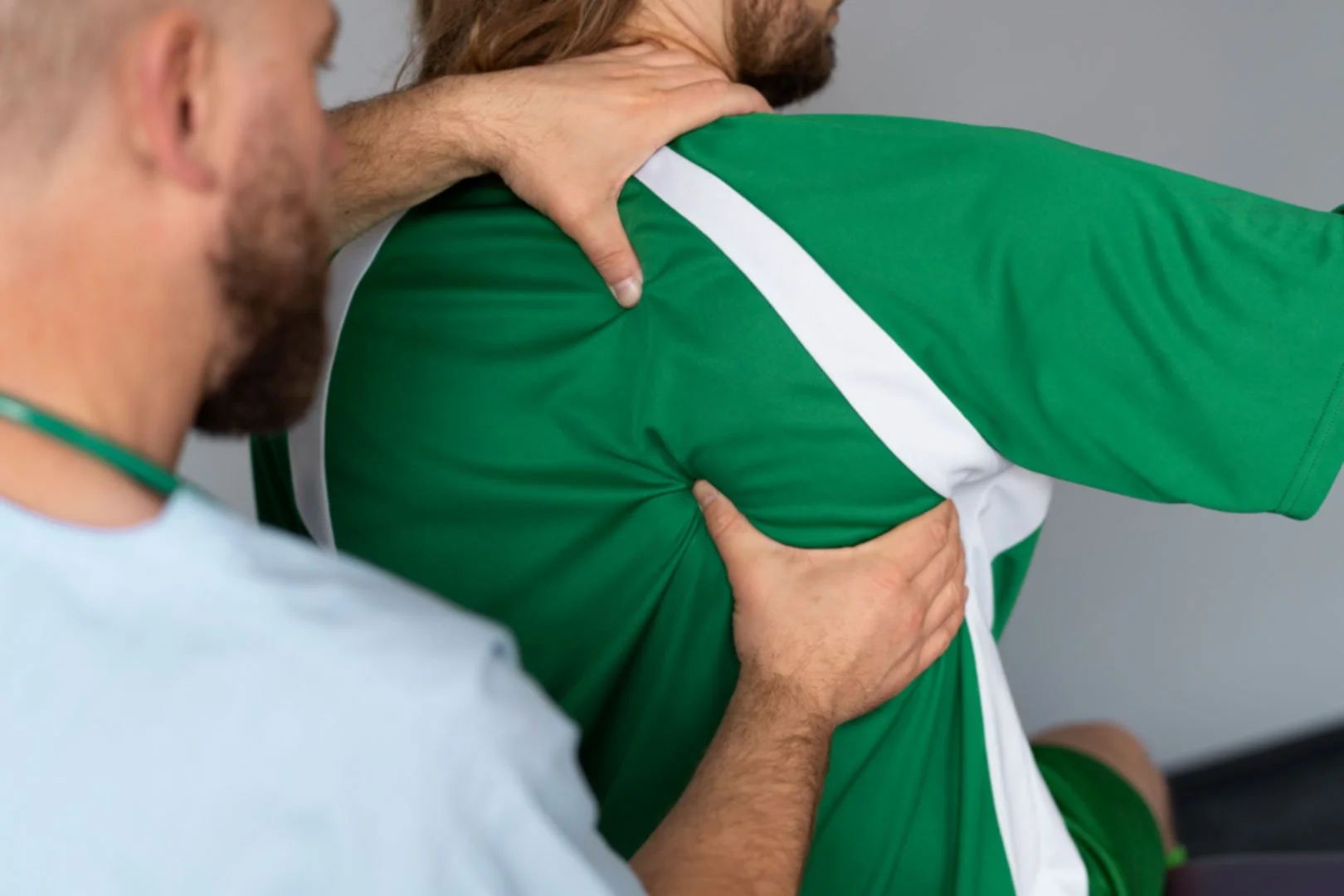
Hands-on work targeting the shoulder joint, thoracic spine, and surrounding soft tissue helps restore range of motion, reduce muscle guarding, and create the mobility needed for the loading program to be effective. Our DPTs at Victory integrate manual therapy with the active rehabilitation program rather than using it as a standalone treatment.
Activity and Load Management
Part of effective shoulder rehab is understanding which activities are aggravating the tendon and how to modify them so you can stay active throughout recovery. For CrossFitters, that might mean scaling pressing movements temporarily. For swimmers, it might mean adjusting stroke mechanics or reducing yardage at specific intensities. We work through this with you based on what you do and what matters to you.
Johnny Huerta came to Victory after running the LA Marathon while managing Parkinson's-related muscle tightness and a shoulder that had been bothering him.
"Zyan is amazing. Very knowledgeable and also very kind and personable. She has really helped loosen up a tight shoulder as well as post running hamstring and muscle tightness. The Victory team is awesome. Family-like vibe."
That experience reflects how we work at Victory. Individual attention from a clinician who understands your specific situation and what you are trying to get back to.
Where Shockwave Therapy Fits In for Shoulder Pain
For rotator cuff tendinopathy that has not responded adequately to physical therapy and loading alone, shockwave therapy offers a meaningful adjunct, and in some cases a strong primary intervention.
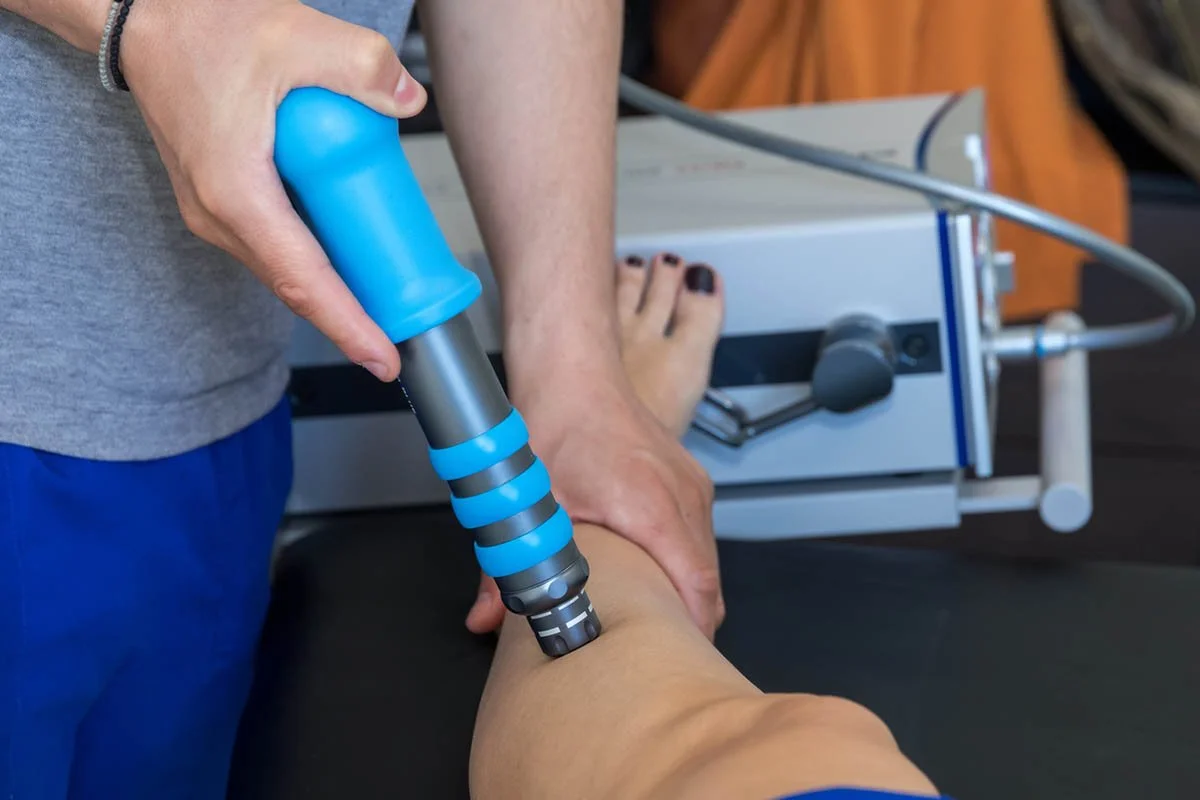
Extracorporeal shockwave therapy (ESWT) delivers focused acoustic pulses to the affected tendon tissue. The mechanical energy triggers a biological repair response, stimulating cellular activity, promoting collagen remodeling, and encouraging blood vessel formation in tissue that has poor natural healing capacity.
A 2024 systematic review and meta-analysis published in BMC Musculoskeletal Disorders analyzed 16 randomized controlled trials involving 1,093 patients and found ESWT effective for rotator cuff tendinopathy across both calcific and non-calcific presentations. (Xue et al., 2024) A separate 2024 meta-analysis of 18 randomized controlled trials in Frontiers in Medicine found ESWT more effective than placebo for relieving pain in upper limb tendinopathies including rotator cuff tendinopathy at 3 and 6 month follow-ups, with radial ESWT showing particularly strong results. (Xiong et al., 2024)
It is worth being direct about a distinction in the evidence, because we think patients deserve that clarity.
For calcific rotator cuff tendinopathy, the evidence base for shockwave is among the strongest of any tendon condition we treat. A 2024 systematic review in Physiotherapy Research International analyzing 21 randomized controlled trials found clinically significant improvements in pain and function with ESWT compared to sham treatment at 24 weeks for calcific tendinopathy. (Brindisino et al., 2024) Shockwave therapy is also thought to help with the resorption of calcium deposits, addressing the source of the problem rather than just the symptoms.
For non-calcific rotator cuff tendinopathy, the picture is more nuanced. A 2024 systematic review found ESWT superior to sham treatment for pain at short-term follow-up but with less consistency at longer follow-up timepoints. The honest interpretation is that for non-calcific presentations, ESWT is most effective as part of a comprehensive treatment plan rather than as a primary standalone intervention. At Victory, this is exactly how we use it.
We consider shockwave therapy for shoulder tendinopathy when:
There is a confirmed calcific component and the patient has not responded to conservative management alone
Non-calcific tendinopathy has been present for 8 or more weeks without adequate improvement through loading and manual therapy
The patient has a specific activity goal or timeline and a faster return to function is a priority
Clinical assessment supports tendon degeneration as the primary driver rather than acute inflammation
Dealing with shoulder pain that has been limiting your training or daily life? Our Doctors of Physical Therapy at Victory Performance and Physical Therapy in Culver City can assess what is actually going on and build a plan around your specific situation.
📞 Call or text: 424-543-4336 📅Book online at victoryperformancept.com
No referral needed. California's Direct Access law means you can come straight to us.
What Shockwave Sessions Look Like at Victory
Shoulder shockwave sessions at Victory are typically 10 to 15 minutes and are performed by your Doctor of Physical Therapy as part of your overall treatment session. Your DPT identifies the specific site of the tendon pathology and delivers the acoustic pulses to that area. For calcific presentations, the session targets the calcium deposit directly.
Most patients describe the sensation as a firm pulsing or tapping that can be moderately uncomfortable at the most sensitive point of the tendon. It is generally well tolerated.
Temporary soreness in the 24 to 48 hours following a session is a normal and expected tissue response. Most rotator cuff protocols involve 5-10 sessions spaced approximately one week apart alongside the ongoing physical therapy program. Your DPT reassesses throughout and adjusts the plan based on how your shoulder is responding.
Common Questions About Shoulder Pain and Rotator Cuff Tendinopathy
Does shoulder pain always mean something is torn?
Not at all. Rotator cuff tendinopathy, bursitis, and referred pain from the neck or thoracic spine are far more common causes of shoulder pain in active adults than structural tears. Even when imaging shows abnormalities, this does not automatically mean surgery is required. A thorough clinical assessment by a Doctor of Physical Therapy can clarify what is actually driving the pain.
How long does rotator cuff tendinopathy take to resolve?
Acute presentations caught early often improve meaningfully within 6 to 10 weeks of consistent rehabilitation. Chronic cases, particularly those involving calcific deposits or a long history of compensating around the pain, typically require 12 to 16 weeks of committed work. Shockwave therapy, when appropriate, can support and accelerate this process. And if you want to fix the root cause (strength, mobility, how you move), lasting results can take 6+ months.
Can I keep training while I treat my shoulder?
In most cases yes, with modification. Our DPTs at Victory will identify which movements are aggravating the tendon and help you adjust your training so you can stay active throughout recovery. Completely stopping all upper body activity is rarely necessary and can slow progress.
Is shockwave therapy painful?
Most patients tolerate it well and describe a tapping or pulsing sensation during the session. The most sensitive area of the tendon may feel moderately uncomfortable during treatment. A temporary increase in soreness for a day or two after a session is normal and expected as part of the tissue response.
Do I need a referral to come to Victory?
No. Under California's Direct Access law, you can come directly to Victory Performance and Physical Therapy without seeing a physician first. Call us or book online and we will get your evaluation scheduled.
Get Your Shoulder Properly Assessed at Victory
Shoulder pain that limits your training, interrupts your sleep, or makes everyday tasks uncomfortable does not have to become a long-term problem. At Victory Performance and Physical Therapy in Culver City, our Doctors of Physical Therapy are experienced in the assessment and treatment of rotator cuff conditions. We use a thorough evaluation to understand exactly what is driving your shoulder pain, build a targeted rehabilitation plan, and integrate shockwave therapy into that plan when the evidence and your presentation support it.
Kupah James is a fitness professional with 20 years of experience who came to Victory after significant injuries from a motorcycle accident. He had high expectations for what quality rehabilitation should look like.
"Victory is top tier in all the ways that matter and in some you wouldn't even think about. State of the art wellness technology backing your sessions with science not opinions. All of this created a recipe for warmth and a feeling of comfort that goes a long way in recovery."
That level of care is what every patient who walks through our door deserves and what we work to deliver.
📅Book your appointment at victoryperformancept.com
📞 Call or text: 424-543-4336
Victory Performance and Physical Therapy | Culver City, CA | Serving active adults and athletes since 2015
